Expected, and Unexpected, Process and Product

“Would you come up with something creative we can do together at our next ELA meeting?” That simple question was the beginning of what would become, for me, a fabulous process and product!

It was a crazy time of year. We were all a bit stressed, with tons to do. “Perfect!” I thought. “Let’s take all that angst and struggle, and use it to make something beautiful!”

Our tools:

  1. sharpie markers (preferably black)
  2. old gift cards or credit cards
  3. acrylic paint
  4. canvas panel
  5. old magazines
  6. white glue
  7. bravery
  8. boldness
  9. openness
  10. joy

Our process:

  1. Think of all the things that are making us crazy, or cranky or stressed. As the end of the year approaches, that list can become very long. I encouraged myself, and my colleagues, to think of things from all areas of our lives.
  2. Write them down, in permanent, bold, black ink, all over the canvas. Be free! Write them one on top of the other. Make lists. Write big. Write small. Print. Write in cursive. Cross them out. Make them bold. Add lots of exclamation points. Curse if you like. LOL!
  3. Remember this is for you, no one else. No one gets to check it before you add the next step. No one sees it unless you choose to share. Be bold. Be brave. Be honest.
  4. When done, put the cap on the pen, and set it aside. Look at the canvas. Good? Anything else you want to write? Anything else you want to add? If so, pick up that pen again, and add it. If not, move on to number 5.
  5. Choose some colors. I like to be free, but mindful, in my color choices. Some colors become mud when blended. Sometimes muddy is good, but other times, not so much, hence the mindful part.
  6. Put  small dabs of the paints on a paper plate or tray.
  7. Using one of those old cards as a palette knife, pick up some of the paint and get it on the canvas. The card allows for a thick or thin paint application. Thick application can add texture or the possibility to completely obscure your words. Thin application allows for more layering of colors, and causes the texture of the canvas and the written word to be more prominent.
  8. Be free with the paint application. Don’t fret about mixing colors. Use only one card for the entire work. If you have too much paint on it, or want another color free from any other, grab a paper towel and wipe off the card. Experiment with thick or thin. (I like a thin application so the handwriting can be seen, but when it is your art, use your own preferences.)
  9. Flip through the magazines to find words or images that are the opposite of the words you wrote on the canvas. Find ones that inspire you. Search for beauty, peace, breath, love, laughter, or whatever else makes you say, “Oh, this is good!”
  10. Tear them out of the magazine! Experiment with different angles, with how much space you leave around the words, and with tearing in different directions. You might be surprised with all the variations you can get.  (If you must, lol, you can cut them out. But, if you can live with the possibility of ripping something wanted, and the less than perfect edges of the tear, then please, tear them. I promise, the results can be beautiful, and meaningful.)
  11. Once your canvas has dried, place these images and words on the canvas. Explore varying layouts. When you find one you like, use the glue to make it permanent. Be aware, if you haven’t cleaned your hands you may end up with some unexpected color. Don’t worry if that happens, there is one more step!
  12. When the glue has dried, add one more layer. Find or make a stencil and use it. Add color with your fingers. Grab a stamp and see what you can do with it.

Here is my final product.

2016-04-04 19.09.34

Or so I thought!

This is my product, and I love it, but it turns out it was not my final product. There was more. There was the unexpected process and product, and it was fantabulous!

As I drove home, my thoughts returned to the meeting, my colleagues, our process, and our product.  So many thoughts, observations and wondering. And then, my thoughts turned to my product.

“I wonder if I can read what I wrote? Maybe if I look really closely?”

There was definitely part of me that wanted to read them again. Hold on to them. Feel them again. Experience their power. Another part of me speculated it might have been better to have completely concealed my words under a think coat of paint. I resisted any urge to pull over and examine my canvas, lol, and reminded myself that the point of the process – outside of pure creativity and joy – was to let things go!

When I got home I pulled my canvas out of my bag, and spent some time with it.

I liked it. It wasn’t perfect, but it was interesting. It wasn’t flawless, but it was beautiful. And those imperfections and flaws? They added to its interest.

I couldn’t read my words, but I could see my writing, and I loved that! The writing added depth and texture to the work.

Then I had an aha moment … my final product (at least for now).

The piece was just like my life. Multi-layered. Not perfect, but pretty fabulous. And those things that make me anxious, stressed or cranky? Endured, survived, embraced, laughed about, cranked about, talked about, prayed about, and released – even if they remain in some fashion – they make me better, more interesting, more awesome, more me.


Save

Save

Save

Save

Save

Save

Save

Encouraging Young Inventors

Recently, in our Kindergarten Maker Space …

Me: “Hey, may I take a picture of what you’re working on?”

Student: “Sure. It’s a bug playground.”

Me: “A bug playground?”

Student: “Yeah, because otherwise they just get stepped on.”

Me: “Wow, they do get stepped on, don’t they? What a great idea. I bet the bugs will like it!”

How awesome is that?

A 6-year-old,  using all sorts of creative thinking (human/bug design thinking, possibility thinking, positive thinking, lateral thinking, divergent thinking, convergent thinking) to problem-find and problem-solve. I love it!

It’s what happens when students are given recycled materials, duct tape, and, most importantly, the opportunity, space and encouragement, to think, risk and build.

Embrace the Mess

prep

I recently did a workshop for 4th, 5th and 6th grade students. I encouraged them to be willing to embrace the “mess” inherent in creativity, thinking, and great work.

My queen-size bed isn’t big enough to hold the “mess” of my presentation preparations. Fantabulous isn’t it?

Clearly, I embody my teaching.


Creativity in Unexpected Places

2016-03-03 08.52.11

My students have been cleaning up the building area this week. 

This is what I found when I came back into the room today. Beautiful isn’t it!?!!

With a bit of freedom, growing love for aesthetics, and joy-filled support, even cleaning up can be filled with moments of creativity and beauty.


Dr. Seuss Creative Fun

Wacky Wednesday, by Dr. Seuss, inspired our creative fun today.  — Shoes on the wall, on the ceiling and under the bed. Worms chasing birds. Hoses, while split, still watering the lawn. — My students giggled, and eagerly shared each wacky thing they noticed.

They didn’t want to stop, but I told them “We must! I want you to have plenty of time to have your own wacky Wednesday fun!”

They were not immediately convinced. But, I assured them we would keep the book in our library, and they could read it as much as they wanted. Finally, they relented and moved to the chairs I had prepared.

I reminded them of our time together in yoga, when I invite them to take off their shoes and socks. “Now,” I said, “I’m not going to invite you to take off your shoes and socks. I’m going to tell you to take them off. We cannot do our wacky Wednesday creative fun unless you take them off.” Giggles and talking increased as they hurried to their cubbies and back again — with feet bared!

Paper was taped to the floor in front of each chair. Plastic egg cartons filled with paint, rested on paper towels. I encouraged them to guess what we might be doing.

“We’re going to paint with our feet!” … “Yes,” I said, “but how?”

“We’ll stick our feet in the paint!” … “Good guess, but no. We’re actually going to use a paint brush.”

“We’ll paint our feet and put them on the paper!” …”OH! Great idea, but no.”

“We’ll paint our toe nails!” … “That would be fun, but not today.”

They continued guessing, each building on the next. They were doing a lovely job thinking divergently. They showed some fluency, flexibility, and elaboration – each idea building upon the ones that came before, informed by my responses.

Finally, nearly jumping out of her chair, R. said “I know! We’re going to hold the paintbrush in our toes!!!!!” …. “YES!”

Laughter and conversation erupted in the room – making it nearly impossible for me to speak and be heard. I encouraged their enthusiasm, but asked them to do try to stay quiet until we began. They contained themselves, as best as they could, and after some brief instruction and encouragement, they began.

Some jumped in with both feet — pun-intended, lol — and used their toes to grip their pencil, and write their name.

feet writing

When M. finished writing she said, “That was hard. And it doesn’t look very good. It’s messy.” … “No way!” I replied. “That’s fantastic! You did that with your toes! How awesome is that?”

Was it as good as she could do with her fingers? No. But did that matter? Was that the right criterion to use to evaluate it? No! Her process and product  were remarkable. She gripped the pencil with her toes. Figured out how to create each letter in her name, and wrote them in a rather straight line! Perhaps most importantly, she showed great initiative, courage, and grit, and I wanted to acknowledge that for her.

Everyone joined in the fun — even me. My students were enthusiastic and joy-filled painters — quite willing to try, and try again.

feet painting

I was surprised by my reaction to the experience. It was hard! Hard to hold the paintbrush. Hard to figure out how to dip it in the paint. Hard to guide it on the paper. Just hard!

I did it, but I didn’t enter into the experience like they did. I think their were multiple reasons why. Each is worthy of my thought, consideration and remembering as I continue to work with my students, and for my own growth as a creative and an educator.

Here are some of the things I noticed:

  1. My support of my students — in word and presence — is powerful.
  2. Time to practice and play with the tools and process before beginning is important.
  3. Embracing positive thoughts about ourselves as artists and learners is essential.
  4. Adopting the joy, freedom and openness of a beginner’s mind is helpful.

My students often return the favor and support me with their word and presence. Today I didn’t have the opportunity to allow them to support me. I also didn’t have the time to practice and experiment before beginning. But perhaps most interesting to me, unlike my students, I didn’t immediately embrace positive thoughts about myself or my process, and I didn’t adopt the the joy, freedom and openness of the beginner’s mind.

I can learn so much from my students. They are truly fantabulous!

Spectacular Superhero Creativity!

The Kid President video “For the Heroes: A Pep Talk from Kid President” inspired me to include Superheroes in our Social Studies curriculum. If you’ve never seen the video, it’s definitely worth taking the time to give it a look! For the Heroes: A Pep Talk from Kid President

We each create a superhero, write and illustrate a 3 page book about superheroes in our own lives, and finally, write and illustrate one about how we are superheroes for others! OH, and we create our own superhero capes!!! It is super fun, and super powerful!

We are working on the first two parts of the unit – creating the superheroes and working on our Superheroes in my Life book.

Here’s a superhero from today. My student’s enthusiastic explanation was – in the best possible way – hysterical.

I really must get a videographer so that I can capture every word!

                                               Super Cross and Super Sister                                                  (with jars of heart and cross power)

super hero blog post

Heart power colors their costume. Cross power is used against the bad guys. Super Cross and Super Sister tie the bad guys with the crosses and fly them to jail. Sometimes, depending how bad the bad guys are, they even remove the bathrooms from the jail! (LOL!!!)

Heart Power is particularly interesting in Super Sister (the smaller of the two figures). The dots on her clothing are actually buttons. She presses them to change the colors of her clothing. If she presses just one, her outfit becomes that color. But, if she presses two or more, it becomes the color generated by those colors mixing.

I immediately noticed the white cape. Though I was curious, I resisted questioning it, or saying “you need to add color to her cape.” Instead, I just let her talk. As though she read my mind, she said (with a HUGE smile), “I don’t need to color the cape, because the buttons on it are invisible!”

I laughed out loud!

Given the chance to be creative, to think outside the box, and to make their own decisions, they do, and they do it really well!


#Show your Work!

I’m doing final preparations for my National Coalition of Girls Schools 2016 Global Forum presentation, and I picked up Austin Kleon’s books – just to immerse myself in some good creative energy and thought. On page 44 I found this:

“3. SHARE SOMETHING SMALL EVERY DAY!”

Every day. EVERY day! Eee gads. Yup, that’s what I thought, Eee gads! Lol, how in God’s name can I do that, and not lose my mind? or my health? or both?

Then I read it again. Share something SMALL every day. Something SMALL!!!! 😀 Ah, I can do that. Well, lol, honestly, I don’t know if I can, but I can try. Maybe I will share something small some days …. or most days … or every  week. Who knows? But, I am embracing sharing something small today.

So, (along with my presentation) this is what I’ve been working on the past few days. (My plans are to do a smaller version of this journal with my Kindergarteners!)

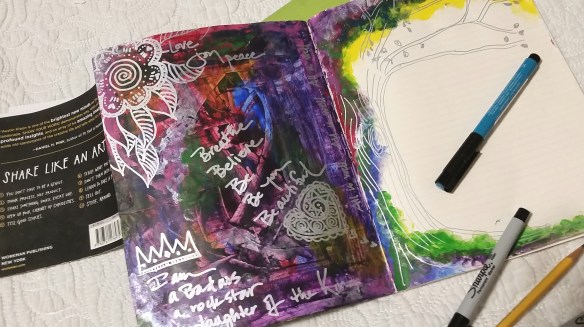
Front outside cover…

2016-02-07 15.05.17

Front inside cover …

2016-02-07 15.02.59

Acrylic paint applied with an old credit card and my fingers, collaged with hand written papers and papers torn from magazines, embellished with paint marker writing.

I’m embracing the process, and the work — in its mess, and uncertainty, and “unfinishedness” — as an artistic representation for my life, my health, my journaling … sometimes messy, sometimes fantastic, sometimes beautiful, always in process! And, much like my life, I’m liking it!

(Btw, the back inside and outside cover remain blank canvases … white gesso … awaiting further time, inspiration, desire.)

Resources:

Show your Work! 10 Ways to Share Your Creativity and Get Discovered (Austin Kleon, 2014 Workman Publishing Co).

Engaging in the Hard, Fabulous Work of Creativity

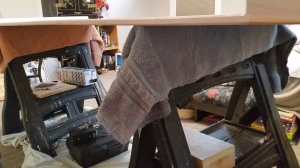
My bathroom has two sliding doors. I designed the bathroom with these doors as canvases for some sort of artwork. Finally, one side of one of the doors is finished!!! Well, to be specific, the artwork is finished,but the door remains perched on two saw horses in my bedroom/studio, waiting for a few coats of polyurethane before it is hung again on its slider.

.door on saw horses

It is remarkable how much thought, research, doodling, re-thinking, kibitizing, talking, looking, and physical work, are involved in being creative! I love the process, but for some reason, this project really encouraged me to notice the time, effort, thought and work of creativity.

My process:

  1. I spent days thinking about the project. I imagined what I wanted. I thought about how I might achieve what I wanted. I changed my mind numerous times. I decided I wanted to — somehow — stay true to the architectural design of my arts and craft bungalow home.
  2. This sent me on a long path of research – looking up arts and craft fonts, flipping through a plethora of arts and craft design and art books, and googling various people and pieces I was particularly drawn towards.
  3. I found two fonts, and many designs I liked. Now I had to see if I could actually use them. Could I learn how to draw them and make them my own?
  4. Next came the doodling and sketching. Funny as it may sound, I experience joy when I find and use a pencil that feels good in my hand, moves smoothly across the paper, makes great marks and erases easily. And speaking of erasing, the number of iterations I went through in order to come up with the final design, was amazing! I wish I hadn’t thrown away all my sketches. It would be good for my students to see and know that the work that looks so easy, and causes them to say, “Wow, you are so good at that, Miss James!”  is actually informed and supported by many other tries! I’ll be sure to keep the next batch.
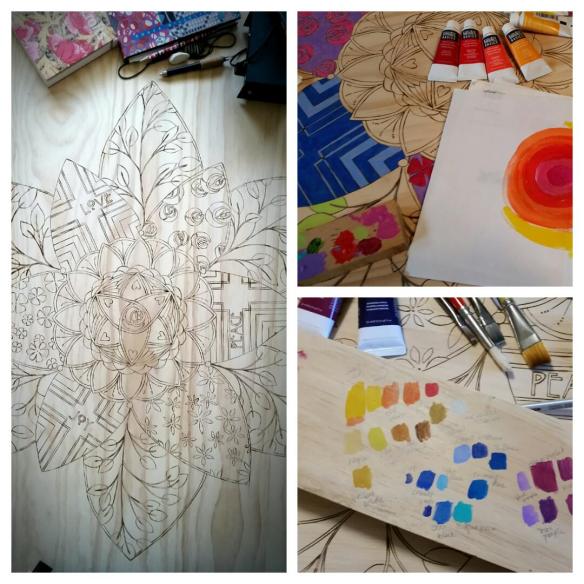
  5. My final design is the result of being open to possibilities wherever I found them, and mashing together ideas from many different arenas – arts and craft designs, zen-tangling sensibilities, yoga, mandalas, nature, botany, math, color theory, and I’m sure many more that I’m currently forgetting!

door collage

But that wasn’t the end! The work, thinking, experimenting, ideating and iterating continued.

  1. Now I had to take my idea  – drawn on an 8.5 x 11 piece of paper – and transpose it into something beautiful on the actual door. Rulers, yardsticks, lovely pencils and erasers, compasses, and scratch pieces of paper were purposefully strewn across the door. I measured, sketched, thought, looked, breathed …. and did it all again for some time. It was fabulous! Finally the design was sketched onto the door.
  2. Next was the wood-burning stage which would create the dark lines of the design on my door. I should mention that this stage was also preceded by many hours of practice. The burner comes with many different tips. I experimented with each one to see what type of line it created, which heat worked best for it, and how easily I could manipulate it to create the lines I wanted. I experimented on various types of wood – they all seem to burn differently – and then explored the different areas of the clear pine I was using. The grain caused different burning rates and necessitated changes in speed and heat.
  3. Finally, time for color! I loved the look of the design burned into the wood. I’m sure it would have been fine to polyurethane it in its natural form, but I had created it with color in my mind and knew it would seem unfinished if I left it uncolored. So, once again, I risked “wrecking it” in order to make it what I knew it could be.
    1. I laid the colors out on the design – playing with different combinations.
    2. I painted the colors onto a similar piece of wood. I was amazed by the difference in the colors out of the paint tube versus on the tube.
    3. I thought, looked and waited. Mostly the waiting was because I was working during the day and coaching in the evenings, leaving me little time to create. But, that waiting was important, because I had time to look, and look some more, and allow my brain to play with the colors.
    4. I couldn’t decide on all the color combinations so I started with one color combination – the leaves – and as I painted, the other colors combinations coalesced for me.

The color and painting process was fascinating! I tried to figure out the entire color scheme, but failed time and time again. When I stopped trying and began painting, I – for lack of a better phrase – began to see better. It was as though the process of immersing myself in the medium – the paint and the painting – increased my clarity.

I can’t explain it — many ways it was magical! As I painted the leaves, with the tubes of paint lying about me, and I would notice myself thinking “Oh! That might work.” I’d continue painting, and notice another thought “Hmm, perhaps that is too much. I think this might be better.”

Often I’d run my ideas past my brother (another creative, learned soul) for clarification and validation. I wouldn’t always use his ideas, but somehow his ideas fed mine and helped them become more “perfect.”

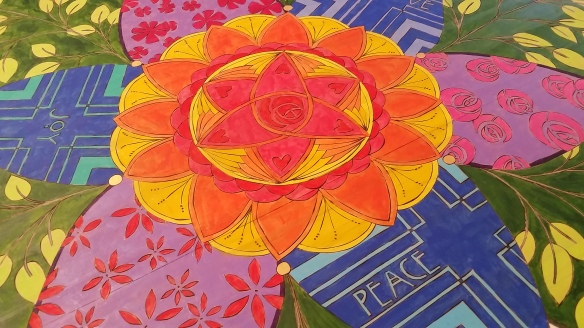
door closeup

Each step in the process involved risk, flow, joy, time and triumph. It was all fabulous, but the time was really important. Time to think, to do, to wonder, to mess up, to re-think, and to experience the process, the product, the materials. I would often just stand at my work – leaning on the door, examining it with my eyes. Other times, I would run my palm over the work. The tactile experience of touching my work in its various stages of completeness was incredibly important, necessary and satisfying.

It makes me think about school and my students. How can I help them have this experience of creativity — in all its angst, sweat and splendor? How can I give them the time and opportunity to experience — in their own creative work and thought — what I experienced in mine?

I’m not completely sure, but rest assured I’ll be thinking about it, and letting the question, and any possible answers, inform my teaching practice!


Using Creativity to Boost Young Children’s Mathematical Thinking (MindShift)

I am SUPER excited to share this article with you!

MindShift author, Deborah Kris, did a spectacular job. She asked thought provoking questions that encouraged me to continue to research mathematics and creativity, and to reflect again upon my beliefs and practice.

I loved immersing myself in the research and reflection. As I did, I came to believe even more deeply that creativity in thought and action increases the power and beauty of mathematics. I hope you enjoy the article, and that it enhances your thought and teaching practice.

Using Creativity to Boost Young Children’s Mathematical Thinking

By the way, there is a link in the article to my paper – Managing the Classroom for Creativity. If you haven’t read it yet, give it a look.

James, M. (2015) Managing the Classroom for Creativity. Creative Education, 6, 1032-1043. doi: 10.4236/ce.2015.610102.


Breathe, Pause and Listen

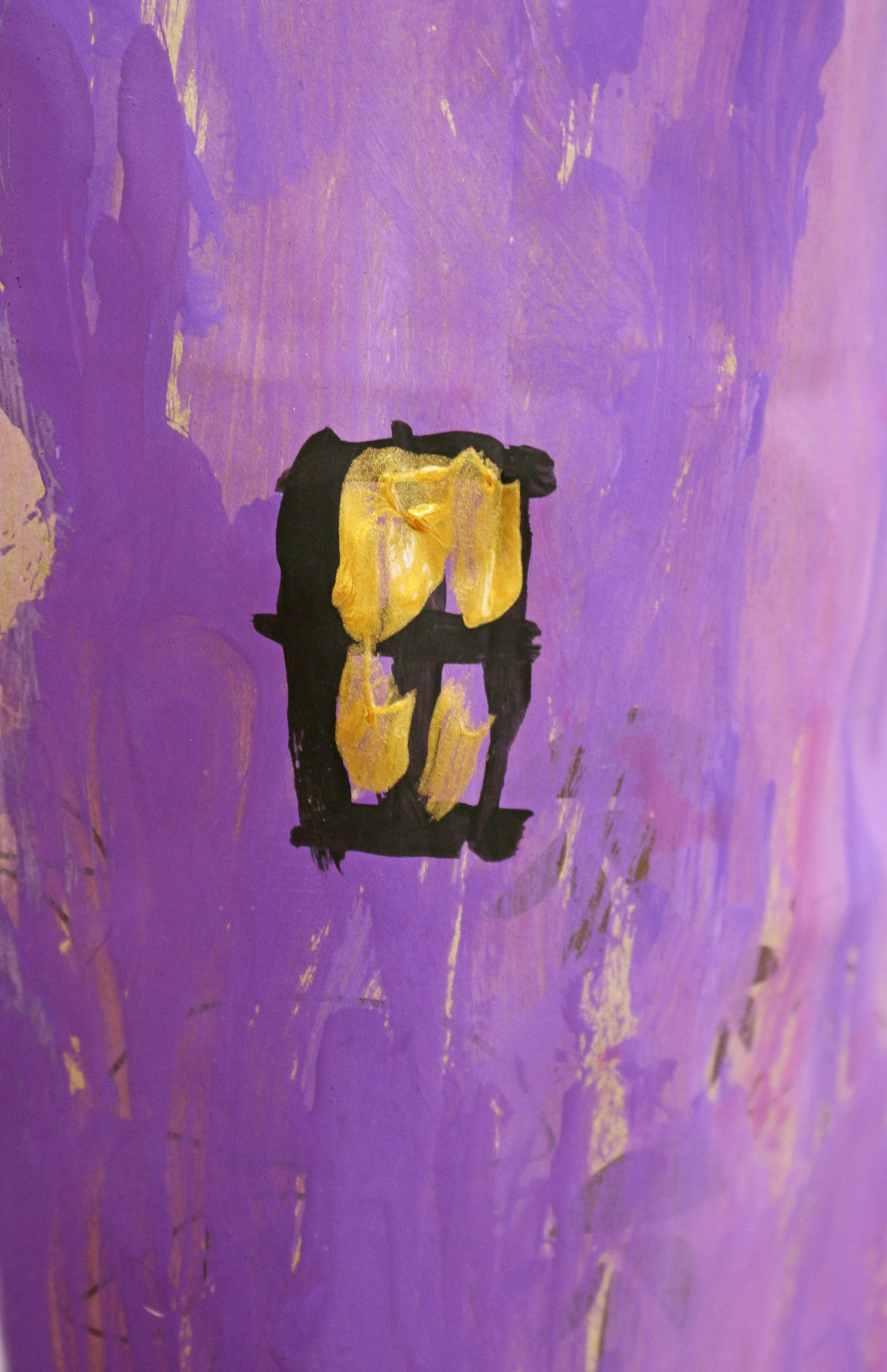
golden windows


“I love your gold windows” I said to one of my young painters.

I smiled and began to move on to the next student, and the next thing to notice.

As though she sensed my attention was moving she said with urgency and haste …


“It’s the sun, shining off the windows!”


It’s the sun, shining off the windows! Of course it is!

I love that, for her, the gold windows were purposeful and beautiful. She didn’t use the gold simply because it was sparkly and pretty. It was the sun, shining off the windows!

I love too, that she shared her thoughts with me

I am struck by the profoundness of that moment – her words, her joy, her sharing, my being the recipient of her beauty, awesomeness and understanding – and how easily we could have missed that encounter!

I took the briefest of breaths as I began to move on, and she grabbed that moment and shared her noticing, remembering, joy, beauty and understanding with me.

I am grateful for her deep desire to share, and her willingness to call me beyond noticing – which is good – into sharing and conversation – which is great.

Take that extra breath, that extra moment, and just listen.