Power Skills Fuel Pre-K Math Thinking and Doing

I suspect you’ve heard of soft skills. But, have you read about rebranding them from soft skills to power skills? I first saw it in the Harvard Business Review: Why Leaders Need Power Skills, April 15, 2026. Subsequently, I did some reading and found it mentioned by Josh Bersin in “Let’s Stop Talking About Soft Skills: They’re Power Skills,” November 16, 2020, and by Rachel Wells in “Soft Skills vs Power Skills: Is There a Difference,” Forbes, Feb 19, 2024.

Some of the power skills mentioned in the articles are:

courage
tenacity
optimism
curiosity
creativity
empathy
flexibility
collaboration and teamwork
effective communication
problem-solving
critical thinking
innovation
the ability to gain and use data info
listening

trust

Josh suggests the rebrand as power skills is appropriate because “in reality, they are the skills that give you real ‘power’ at work.” I would add that the same is true for teachers and students who use them in the classroom.

Give the list another look. Can you see them as habits and positions of power and learning? How so? Look for them in the classroom. Who’s using the skills? When are they using them? How are they using them? When you notice them, look more deeply. What do you notice? What do you think? What do you wonder?

Here are some of my thoughts.

The choice to be courageous helps us be brave, try new things, share ideas, and listen.

Tenacity and optimism help us stick to a task and believe it is indeed true that “I can do hard things every single day.”

Curiosity drives us to explore what we do not yet know, to be motivated by wonder and awe, and to approach things from unique perspectives. It requires flexibility and increases joy.

Empathy encourages us to listen, to give grace, to allow others (and ourselves) to try, use their big beautiful brains, fail, learn, and succeed. Empathy helps us understand more deeply.

Communication is essential for sharing ideas, collaborating, and working together as a team. All these things enhance our abilities to problem-solve, think critically, and innovate.

With this in mind, I want to highlight and modify, including teachers and students (both leaders in our learning journey), what Ruth wrote in her HBR article. When teachers and students use their power skills, everyone feels trusted, motivated, and included, and learning is supported and enhanced. 

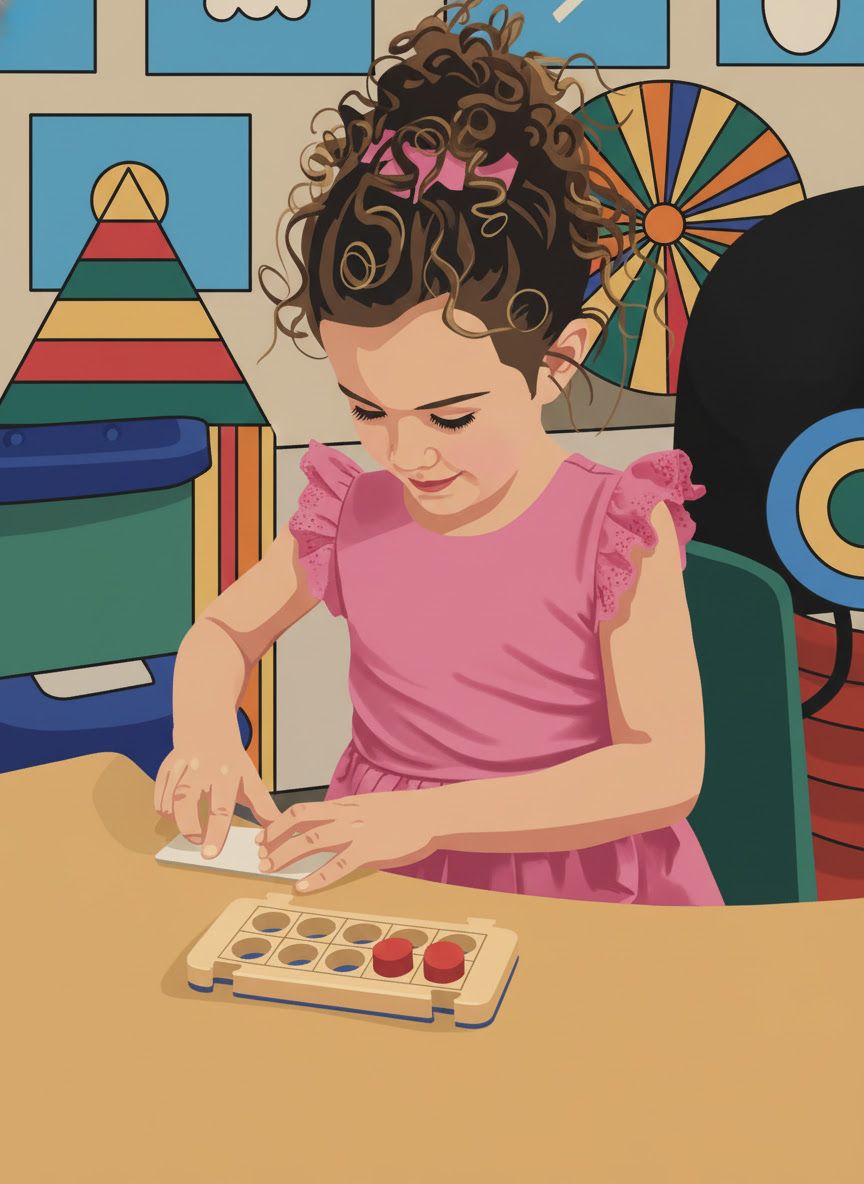
Here are some times my pre-K-ers and I used power skills to make our math moments fascinating, fun, and filled with deep mathematical thinking. What power skills do you notice? How is it impacting the learners and learning?
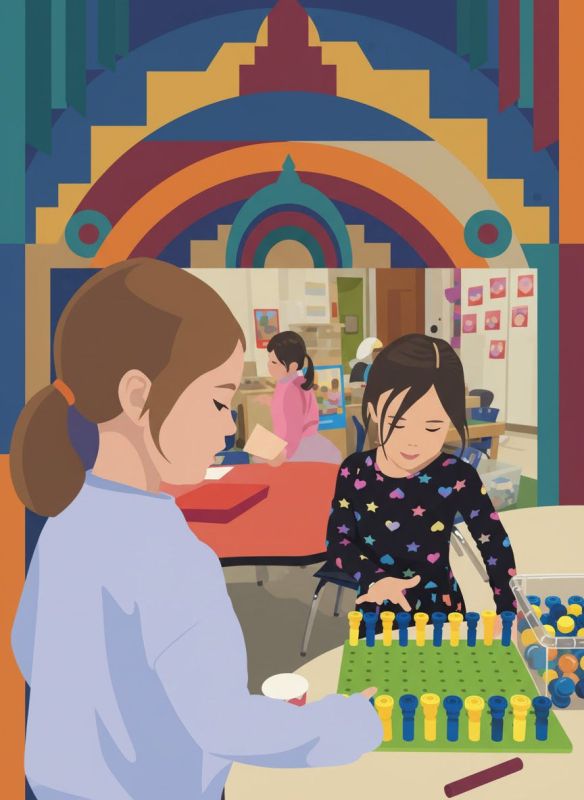
One of the mighty mathematicians was enamored of her sibling’s ability to do multiplication. She told me about the math she experienced and said she wanted to do it, too. We talked about multiplication. I told her multiplication is kind of like adding groups. For instance, 3×3 tells you that you have three groups of 3. We used our fingers to figure out how many things are in 3 groups of three.

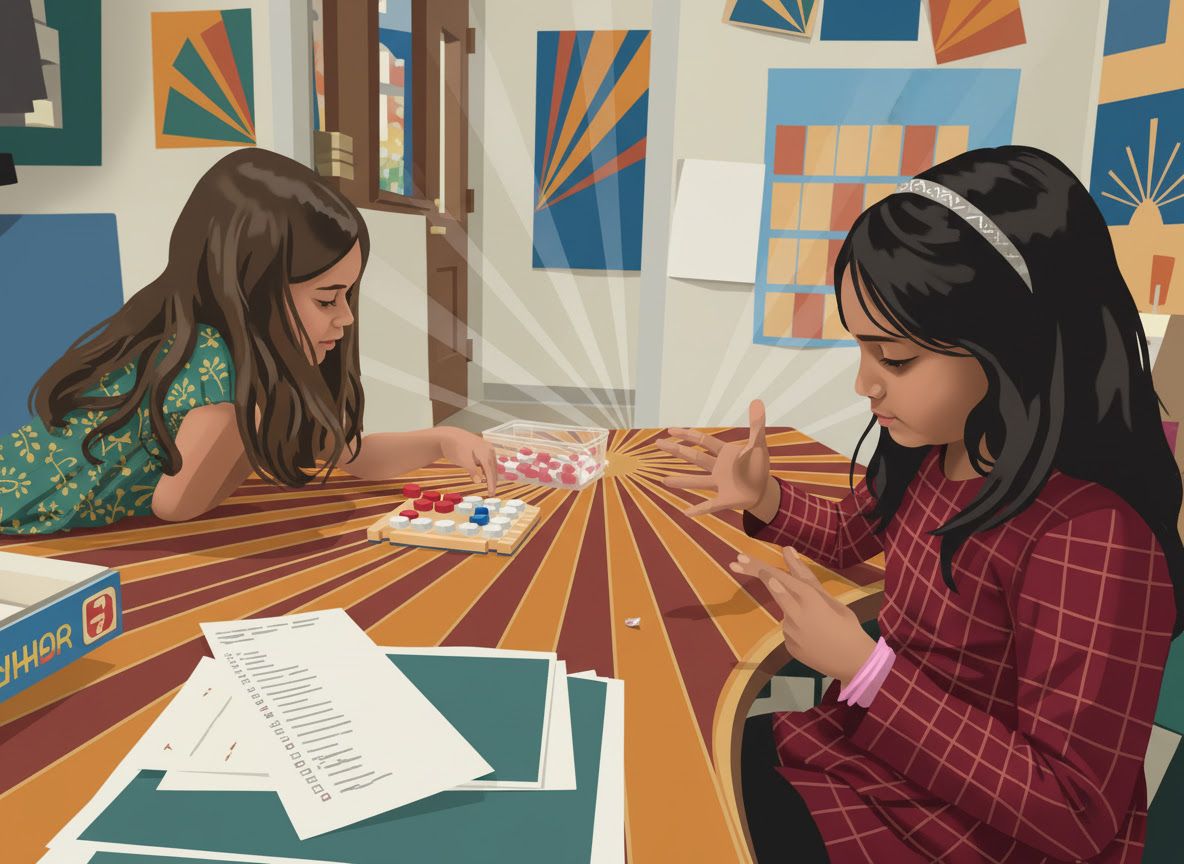
She wanted to do more, so we grabbed some pegs and represented the abstract concept of multiplication thinking and work in a very concrete way — on the pegboard. Another mighty mathematician asked if she could play, too. They talked, counted and created and solved multiplication problems together.

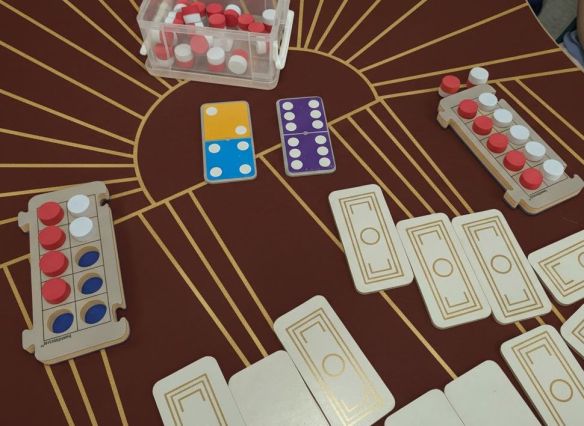
These mathematicians explored and translated dominos from the pips on each side of the domino to a ten frame.
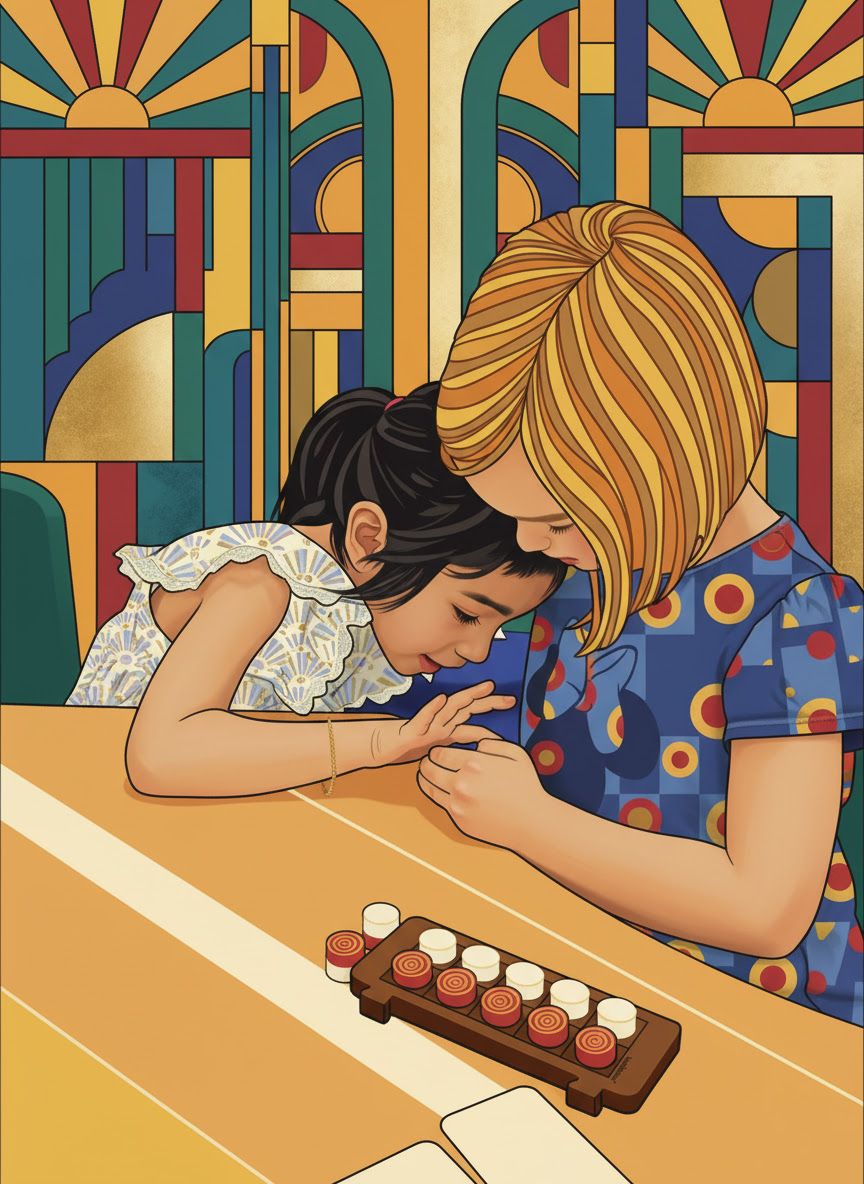
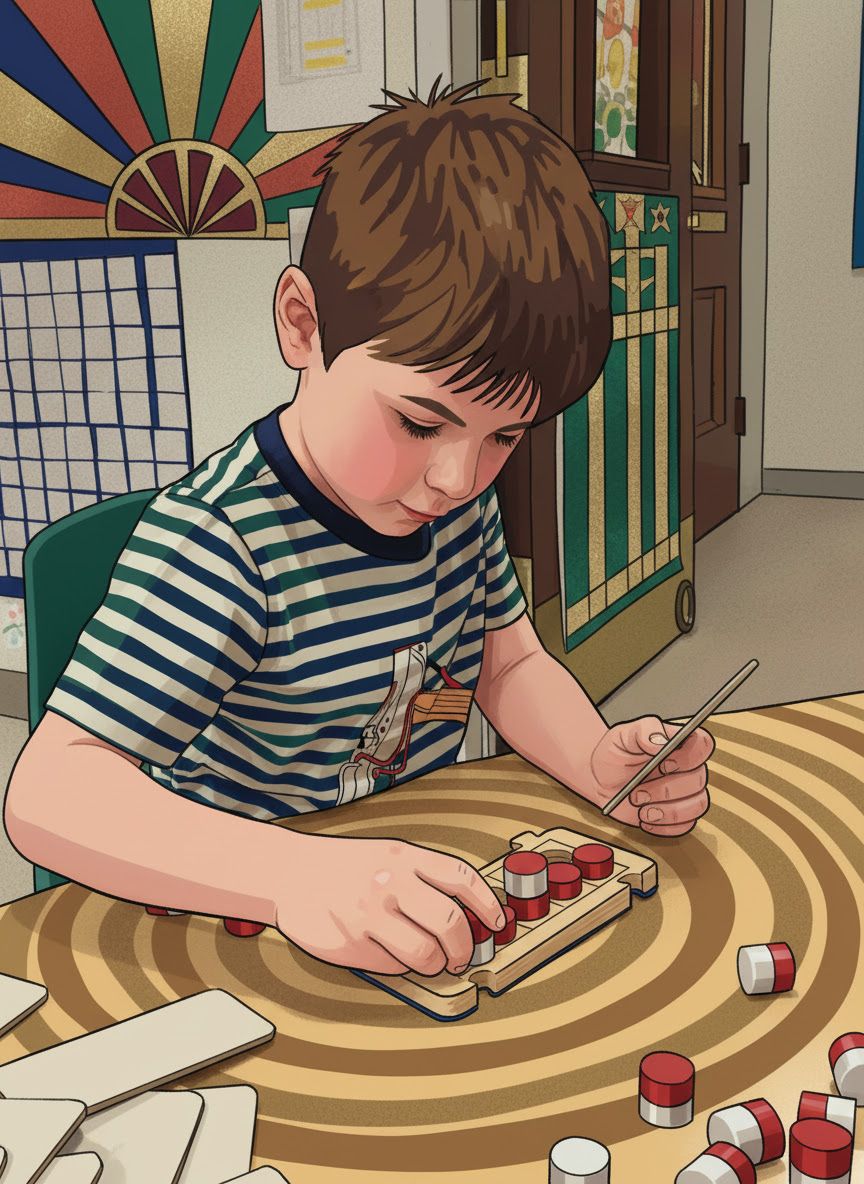
They kept their dominoes secret from one another and guessed what they looked like from the information on the 10 frames. They enjoyed the secrecy and the mathematical conversations. Often their ideas required further communication. For instance, is it a 10-frame if it doesn’t have 10 pegs in it? What makes you say that? One mathematician created a 1-frame and a 4-frame to share with her fellow mathematicians.

The mathematicians wondered and speculated what to do when their domino had more than 10 dots in all, or had more than 5 dots on either side. Would it be ok to add it to the second row of the 10-frame? Could they just let it sit outside their 10-frame? Lots of experimentation and conversation ensued.
Finally, they worked independently to figure out how many there were in all. They shared their answers and their thinking, celebrated if they both got the same (and accurate) answer, and discussed if their answers were not the same. Often, they used different strategies to calculate the total, and as they shared their strategies, they discovered even more ways to solve the problem.

As we cleaned up for lunch, several mathematicians inquired, “When are we doing that again, Ms. James? … Yeah, when are we doing that again?”

Soon, mighty and powerful ones, soon!

The Power of Relationships in Learning

Relationships are powerful and essential components of learning.

I’m not the only one who knows this is true. Many educators — from Vgotsky, to Frances and David Hawkins, Harvard Graduate School of Education, and Reggio Emilia (and RE inspired educators) — speak of the importance of relationships for learning, understanding, creating, and thinking.

Inspired by Reggio Emilia I value relationships between parent, teacher, learner, and the environment. – and do my best to cultivate them. And, not just my relationship with each of them, but their relationships with each other. Through these connections, learners develop relationships with:materials, thoughts and ideas – their own and others, themselves, play, other learners, and the importance and value of struggle.

I’m always reminded of relationships as the school year ends and my summer begins. My relationship with time, energy, rest, exploration, play, creativity and my own physicality are blessed with opportunity and possibility. And of course, my relationships with my current learners and parents transition and change.

I never cease to be amazed (and edified) as I experience the power, essentiality, and inspiration of these relationships from learners new and old. I never take for granted the gift it is to bump into a former student, or receive a note in my mailbox. Here are a few that touched and reminded me of the power of these relationships.

An 11th grader saw me moving things around in the classroom. It’s a normal part of my end of year routine — but not a normal one for her.

11th grader: “What are you doing, Miss James?”
Me: “I’m moving some of my things out of the classroom.”

A look of confusion, then shock and horror, crossed her face. She asked a string of questions in rapid fire: “Are you leaving, Miss James? You’re not leaving are you? You can’t leave! What will the Kindergartners do? What would we do? You can’t leave!”

I took a breath, as I looked into those loving and panicked eyes of hers, and said, “Nope. I’m not leaving. Just moving some of my things.”

She looked at me as though trying to decide if I had told her the truth. Then she took a breath and said, “Oh, good. We need you.”

Then a 7th grader left me an amazing letter in my mailbox telling me about how I — and the way I teach Kindergarten — has continued to impact her life and learning. “Even though it’s been a while since Kindergarten, I still remember how your creativity, kindness, and positive energy made learning so much fun. You helped build the foundation that inspired me to grow, explore and believe in my myself. I’ll always be grateful for the start you gave me.”

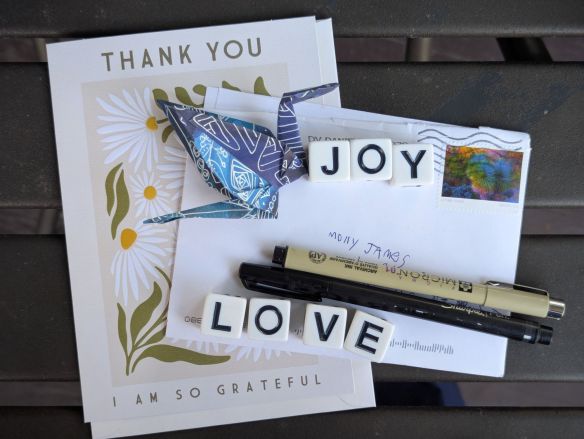
And then there’s my sweet Kindergartners. One mom emailed me to share her daughter had been asking when she might have a playdate with me! And then, I a letter in the mail from another KJer proclaimed “Miss James. I love you. I loved being in KJ. Thank you for a great year. You are the best teacher.”

I know they don’t have a lot to go on when they proclaim me the best teacher. I understand it means they have experienced goodness, kindness, and acceptance in me. It means they have experienced and know that I am their (to quote Rita Pierson’s TED talk) “champion, an adult who will never give up on them, who understands the power of connection, and insists that they become the best that they can possibly be.”

Never underestimate the power of love, joy, relationships, understanding, acceptance, and dogged determination that we should all be the best we can be.

And (if you’ve read my previous post) never be afraid to share the joy of your art — cause we are all artists — with others. The crane’s flying soon!

The Courage to Create and Connect à la Frank Gehry

Poking about the internet I came upon a Playing for Change video. I was enjoying the various stars and regular humans in the video, and up popped Frank Gehry. “Wow!” I thought. “Is he still with us?” No disrespect intended, I hoped he was, I just didn’t know. So I searched, and sure enough he is.

I don’t know too much about Frank, but in spite of my lack of knowledge, I am fascinated by him. His thoughts, his less than linear buildings that defy the traditional rectangular box-like structure and the way he embraces the possibilities of architecture, walls, buildings, and materials are intriguing. It’s as though he envisioned the walls as fabric — able to curve, move, and have life. How cool, courageous, creative, and amazing is that vision, much less the choice to actual create these structures. Look at the Guggenheim in Bilbao. The building is wild and beautiful, and what the museum is doing with the space for community and learning is pretty amazing. I suspect a great deal of what they are doing is inspired by his design.

With Frank back in my consciousness, I searched for videos with him speaking. There are a lot! I’m looking forward to watching a few. I’ve just started watching Jump Into the Unknown.

I feel a kindred spirit with Frank when I hear him speak. While we are in different fields — he an architect, me an educator — I see my interactions with him and his ideas as remarkable moments of professional development! I’ve blogged about him previously, and suspect there will be many more thought-provoking ideas, but for now, here’s what struck me today.

Jump Into the Unknown begins with Frank telling the story of standing before a large Greek statue. He said the experience made him cry. He goes on to say, “I thought, boy that’s what an architect should do … be able to have an emotional response with their work that lasts through the centuries. So that’s what I try to do now. I know that’s pompous, but at least it’s a wish. It’s a hope.”

I thought, “That’s my hope and wish, too!”

I understand your incredulity, but before you scoff or write me off let me explain.

Might I have people with emotional responses to my work centuries from now? Perhaps not. My work is much different than an architect’s. Nonetheless it remains my hope, my wish, and my goal to have that type of impact on others, And let’s consider my work. My work and interactions with others changes me and them. This then impacts future thinking, doing, and interacting. Continue this line of thought and it is highly likely that my choices, words, behaviours, creations, and dealings with others, will engender connections and emotional responses centuries after each young human and their parents have been in my learning space.

As an educator, I strive to create positive connections and emotional responses, and to make a difference in the lives of those I encounter. Unlike Frank, I don’t think that’s a pompous wish or hope. It’s a wish and hope that understands the importance and power of what I do, and the people I do it with and for.

Every Time

Teaching is not an easy job. It’s a great one, but certainly not an easy one.

Each day of teaching is a mix of incredibly awesome moments — joy, discovery, laughter, learning, negotiating, helping others, finding problems, brainstorming possible solutions, experimenting, exploring, being inspired – as well as frustratingly annoying and energy sapping moments.

In each moment it’s possible for us to be our best selves. Possible, but not simple or easily done.

I’ve been experiencing some of those difficult moments lately. Painful, frustrating, make me want to quit kind of moments. And then — thankfully — I got an unexpected, and lovely reminder that I shouldn’t quit.

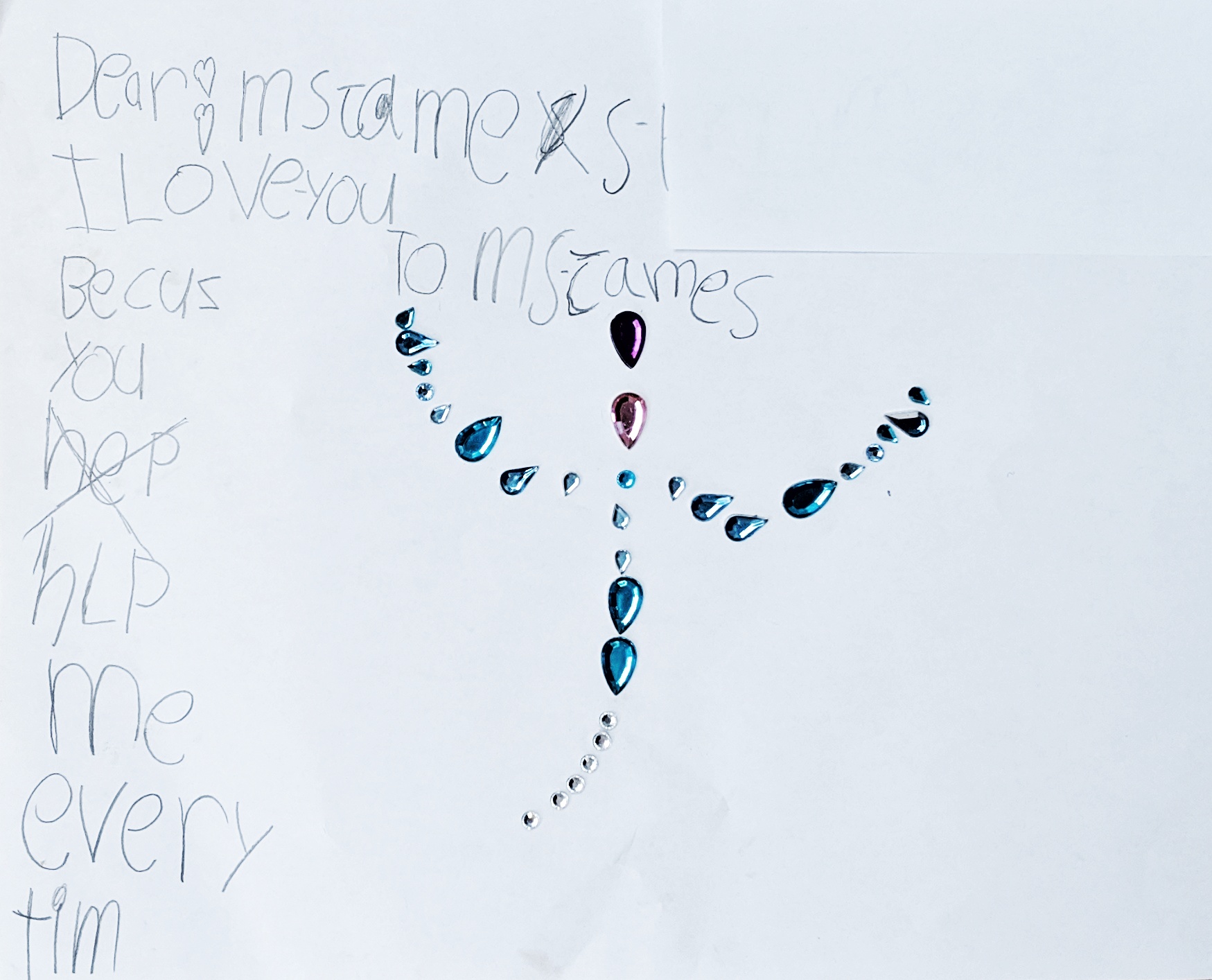
One of my girls ran back into the classroom after being dismissed, and handed this to me. “Here. This is for you.”

IMG_20191120_074939-01.jpeg

I love you too, my sweet, strong, and courageous girl.

This is why I work as hard as I do. This is why I am constantly learning, and why I always work to improve my practice. This is why I endure the angst and frustration.

I do it because I love these young humans. I do it so I am always prepared to help them – every time.

Thankfully, my mighty wee ones reach out and help me as well – every time.

I Can Do It!

00100lPORTRAIT_00100_BURST20190916125136762_COVER-01.jpeg

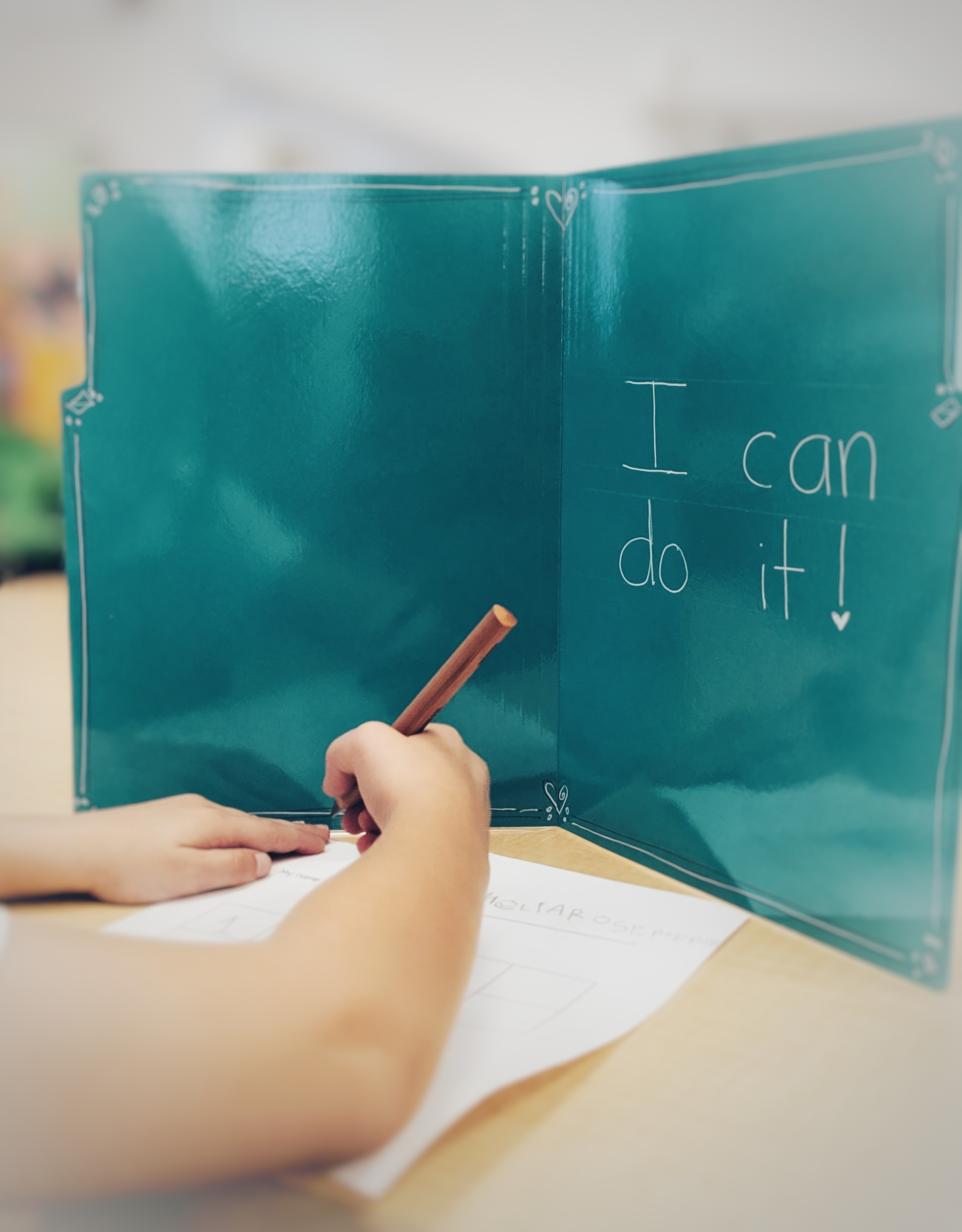
Our “no fretting shields 2.0” have arrived! Or to be more precise, have been made.

I decided to be more intentional with the folders this year. I bought folders that would only be used as no fretting shields — nothing else. I decorated them, and then considered what words I might add to them.

I wanted the words to be an affirmation, encouragement, or a reminder to breathe. And, I wanted it to be something all my girls could read. I finally decided on “I can do it!” It seemed perfect because it was something they would say about and to themselves — I can do it — not something someone else said about them — You can do it.

I got to see the shields in action today.

There are tons of assessments to be done in the beginning of the year — they help me learn a bit about my students, and be a better teacher. As I started to work with one of my girls, she noticed the folders sitting on a chair next to me.  She asked what they were, and then asked if she could try one while we worked together.

Of course!!!

I asked her if she knew what it said. She did. She read it, and we got to work.

At one point she expressed a lack of confidence in herself. I chuckled, and asked her what she had just read on the no fretting screen. She repeated it, smiled, and tried again. (YAY!)

Then, in a bit, as I watched her struggle to write one of the numerals, I almost said. “Can I show you how to make it?”

Oh my GOSH!

Thank goodness I had the awareness, and self control to keep that thought to myself, and allow her to continue to struggle and try. She was unfazed by the struggle. It was me who was uncomfortable with her need for hard work, risk, and possible failure.

There will come a time when I will step in and help her perfect her work. This was not that time.

If I had allowed those words to pass my lips. I would have negated the affirmation of the no fretting screen. My apparent kindness — trying to help — would have only proven that I can do it, not that she could. I would have unintentionally said I didn’t believe in the value of hard work, hard thought, and struggle. I would have suggested she couldn’t do it without my help. Ugh.

As I looked at the folder I realized that as she spoke the words “I can do it!” to herself, she also spoke them to me.

“I can do it, Miss James! Trust me. Trust the process. Trust our relationship. It’s all good.”

Gratitude and Awe

Have you heard of Brother David Steindl-Rast? I can’t recall when I first came upon him. What I do recall is listening to his audible book The Grateful Heart over and over again as I commuted to and from work. I love his voice, his spirit, and his ideas.

I recently rewatched his  TEDtalk — Want to Be Happy? Be Grateful  and short video A Grateful Day. I was nearly weeping as I finished them. There is so very much for which to be grateful. Moments of gift surround us every day, we need only, as Brother David says, open our hearts to them.

My heart was open the other day as I chatted with a dear friend of mine. As we talked, she told me that I am one of the people who most encourages her as an artist. I was kind of surprised. I admire her as a creative. She’s a creative thinker and has an artist’s soul. She’s definitely a creative, and a talented photographer and poet. Now that I write those words, perhaps I shouldn’t have been surprised. I’m reflecting my true thoughts to her.

A few years ago I read Creative Confidence by David Kelley and Tom Kelley. I was struck by their desire to help others grow in creative confidence. To quote them, they wanted to “help individuals and organizations unleash their full potential— and build their own creative confidence.” (from the preface) I still remember reading that and thinking “SO DO I!!!!” (And yes, I do believe I actually yelled that! lol)

I no longer yell that — well, not very often — but it remains very true. Creating space for others to experience themselves for the creative we all are, is very important to me.

So when my friend shared with me, it was a “wow!” moment. I don’t think I acknowledged the wow-ness to her, instead I just stood in the moment and listened.  As I listened, she continued. In beautiful, humble gratitude, she told me I also helped her grow in her faith.

Again … wow! I always want — through my words, actions, and being — to encourage others in faith — faith in God, faith in possibilities, faith in themselves, faith in goodness, truth, and beauty.

The opportunity to make a positive difference in the life of another — for creativity and faith — is a gift. The doing it, and being told about it — again, a gift. I am so very grateful for my friend  our friendship, the ways we help each other grow, and for her willingness to tell me. It was a great gift to me. It was a moment to bask in gratitude and awe.

I don’t just have those opportunities with this friend. I’m blessed to be an educator and have those opportunities each time I go to work.  As educator I have the opportunity help each child who crosses my path believe in themselves as creatives, as thinkers, and as hopeful, faith-filled people. I also have the opportunity to grow in the same ways, due to my encounters with my students. And I have the opportunity to gift them with my thanks.

IMG_9210

I was talking with a young friend who is beginning her student teaching this year. I asked if she was excited. She said, “Yes, but honestly a bit overwhelmed as well.”

Yes, a bit overwhelmed! I think all educators can echo that sentiment. I think — within reason — it’s much like nerves in an athlete. It isn’t a bad thing. It’s an indication that we understand what is before us. We understand that we are doing something quite important. What we do matters.

I figure every year, I”ll experience a bit of that astonished, and sometimes heavy, sense of wow. I hope, pray, and trust that I will never cease to remember that the overwhelm and struggle is real and important. Then, with many breaths I hope, pray, and trust that I will treasure each opportunity as a gift, and always look with awe at the beautiful souls entrusted to me.

Blessings, peace, and joy to my fellow educators! Every day is an incredible opportunity,  a remarkable gift, a profound responsibility.  Be grateful. Enjoy them. Bask in them. Share them. 


On Point!

Have you read the Spring issue of Harvard Business Review OnPoint magazine?

IMG_20190625_164831-01

If you have, boy would I like to talk with you — especially if you’re an educator.

If you haven’t, you should.

Why?

  • It’s enjoyable.
  • It’s a nice balance of easy reading, and challenge-your-brain kind of reading.
  • It has a TON of thought provoking, and reflection-worthy ideas that I am certain will enhance my teaching practice, as well as my students’ learning.
  • And, on a silly note. The elephant.

I’ll blog about my thoughts after I’ve had a bit more time to read and reflect. Meanwhile, go buy it, read it, and change your little part of the world.

Note: You can pick up a copy at HBR – Unleash YOUR Creativity


Why teach?

It’s the end of the school year.

Contrary to what people outside of education think, things don’t wind down as the year ends. Instead, they ramp up, and come dangerously close to spiraling out of control. Holding onto the tail of that spinning mass is exciting — and exhausting.

Each night I tell myself I’m going to bed by 9PM, and at 11 PM I’m still awake, working. When I close my computer and my eyes it seems like only minutes until my alarm announces 5AM.

It’s the end of the school year.

I’m tired. I’m sick with a cold. I’m coughing enough to make my head hurt. I have tons of assessments to catalogue, reports to write, forms to fill out, orders to make, and curriculum maps to tweak for next year. My classroom no longer has children in it, but it has lots of stuff in it. Stuff that all needs to be gone through and placed in its proper spot.

That brief rant may make you wonder why I teach.

Sometimes it makes me wonder, too!

Thank goodness, deep down, under the weariness, I know why I teach. Teaching is me. It’s what I do. It’s who I am. It brings me joy.

Even though I know teaching is my thing, still, it’s really nice when someone else notices and points it out to me. Especially in these moments of fatigue and big work it’s super helpful to be reminded I make a difference. I value each and every one of those comments. But, every once in a while, I’m blown away.

This is one of those times.

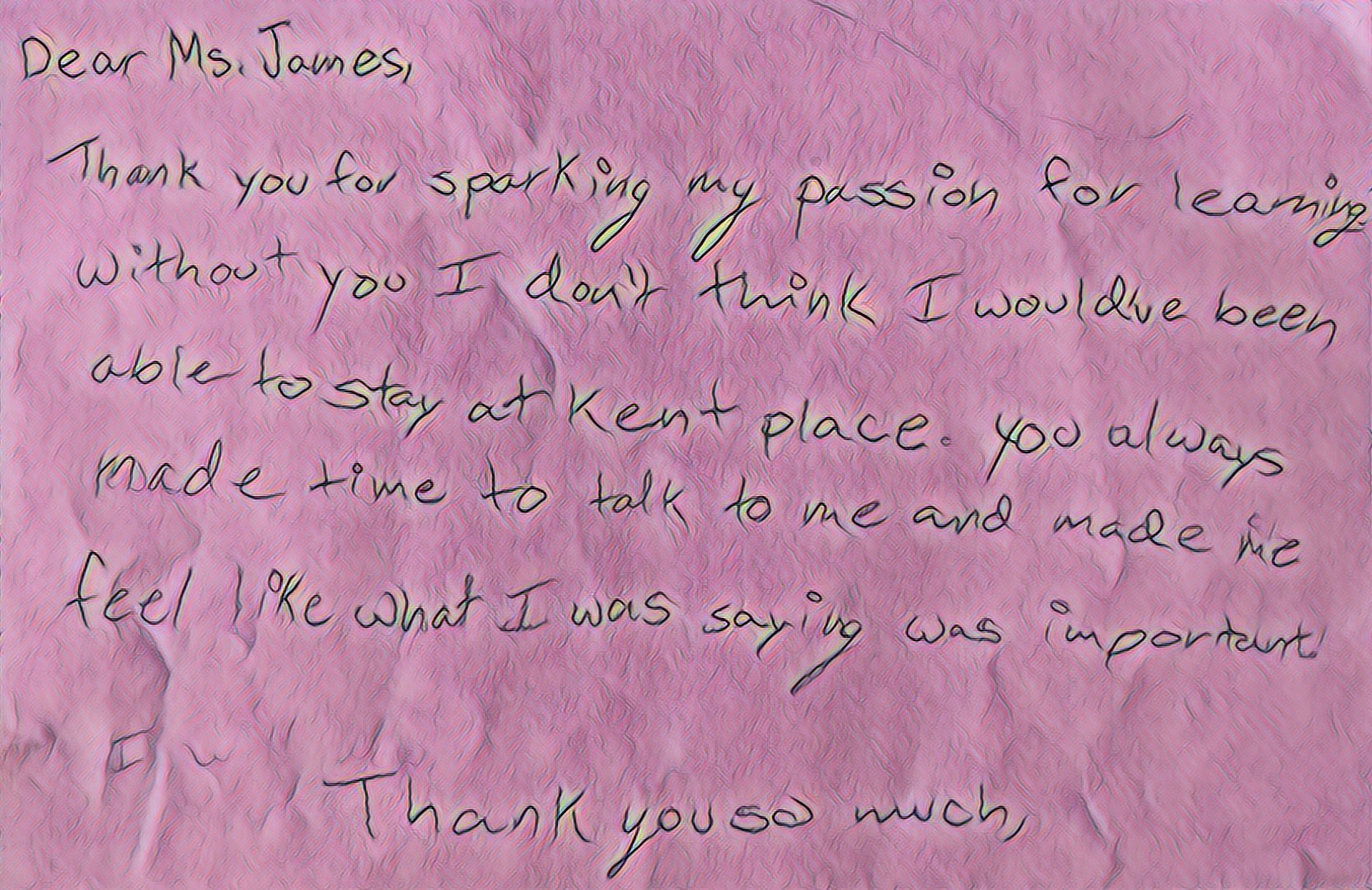
A few days ago I got this note in my mailbox.


IMG_Colibri_20190608_162324_processed


Wow. Just, wow.

This is why I teach. I teach with that hope that I’ll touch hearts, minds, and spirits. I teach so I might spark a passion for learning. I teach so I can show each and every child that they are strong, rich, powerful, and important … foibles and all.

And, I teach because my students do the same for me.

I’m super grateful this 9th grader took the time to write to me.

I helped her see her worth and power. She helped me see mine.

Wow. Just, wow.


When the Smithsonian Invites …

You say “GET OUT OF TOWN!!” Then, you accept!

I have been meaning to blog about this for quite some time, but as I began to investigate the Smithsonian’s Lemelson Center for the Study of Invention and Innovation  I kept finding new things that made me go “WOW!” and kept me from blogging.

If you’ve never given their website a look, you really should. They’ve got some awesome thinking and resources.

Look at some of the things they believe, and attempt to live:

“In Spark!Lab, we believe everyone is inventive, and hope that our visitors continue to create and innovate long after they’ve outgrown us.”

I LOVE this. Even though I’ve read it several times, it still makes me shake my head. That’s exactly what I think and hope about my Kindergartners. They’re all creative, inventive, and fantabulous! My hope and intent is that they experience, learn, embrace, and live those truths, with me, and long after they’ve left me!

Another post said “Lemelson team members pride ourselves on ‘living the mission’ as creative problem solvers.” They tell the story of  trying to rescue a lost  phone, and document the process at the same time.

I laughed out loud as I read this story. This is my life as a Kindergarten teacher. Always trying to work with my girls to figure out ways to make things possible — all the while doing my best to snap photos.

And, as I think about it, this is my Kindergartners life too! They are living the mission as creative problem solvers as well! The other day I discovered two girls — bottoms up in the air, faces on the ground, arms reaching under a block cabinet — all the while talking furiously with one another. What was going on, you ask?

Someone had washed a yogurt container, and when they placed it in the ‘use for making’ basket, the container fell behind the cabinet.  The girls could squeeze their arms under the cabinet, but they couldn’t reach the bottle. The flurry of conversation was about the blocks and other items they were trying out as tools to retrieve the container.

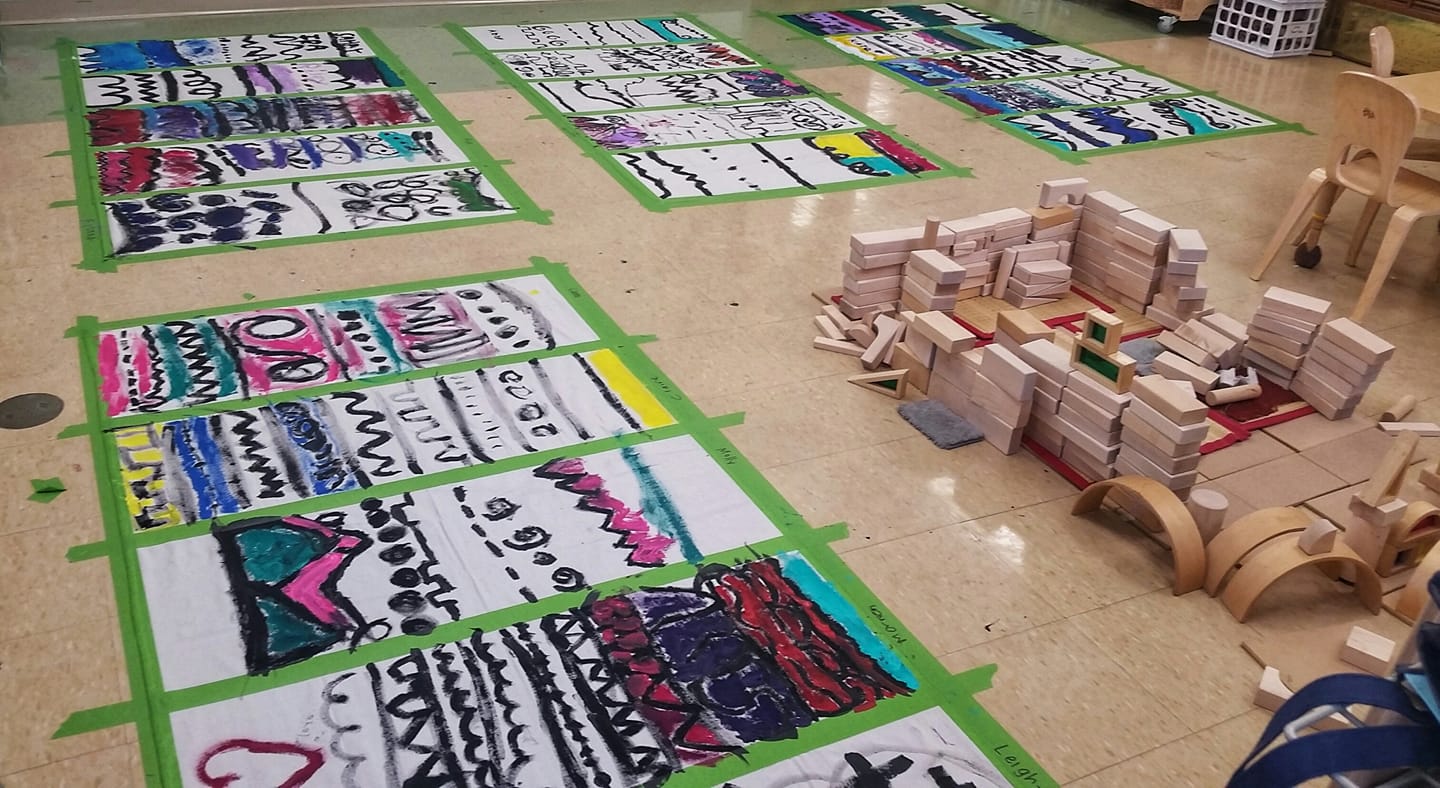
To add to their challenge, our classroom has art projects taped to the floor and the edge of the closest art project is about 18 inches from the edge of the block cabinet.

27021766_10215417468569449_6082601414156124466_o (1)

The block cabinet is on wheels, and a visiting teacher volunteered to move it. The girls rejected this simple solution because they didn’t want to risk harming the art project. It was fantabulous to watch their intentness, inventiveness, and collaboration as they worked to retrieve the container.

Then there is the Lemelson Center strategic plan .

(This is just a small portion of their plan. I’ve put their thoughts in bullets form to make them easier to discuss here.)

  • Value creativity and embrace the potential rewards of risk-taking.
  • Inform and delight audiences and convey the enthusiasm and joy that are integral to the invention process
  • Encourage visitors to participate and see themselves as inventive
  • Push the limits of exhibition design to advance visitors’ curiosity and active learning
  • Our work has the potential to inspire millions of Americans and billions of people worldwide to view themselves as having inventive capacity and to build the skills and confidence needed to overcome barriers to innovation.

At the risk of repeating myself, I love these ideas, and they are a large part of my strategic plan as well. Perhaps it seems odd that a Kindergarten teacher would have some of the same strategic plans, hopes, visions, dreams, and goals, as the center of a major organization. But, if you think about it, it makes perfect sense, and seems to me, should be true of every educator.

Educators do remarkable work, with remarkable people — colleagues, admins, parents, and students. These constituents have limitless potential for imagining, thinking, creating, making, and impacting the world for good. Our work — informed and driven by our plans, hopes, visions and dreams — holds the possibility for profound and far-reaching impact. What we do influences those we  interact with each day. This in turn influences every individual and problem they encounter, now, and in the future.

I’d love to tweak their ideas — making them more mine — and create a canvas of some sort for my learning space.

  • Value creativity.
  • Welcome cognitive and creative risk-taking.
  • Be open to possibility.
  • Teach for delight.
  • Nothing without enthusiasm and joy.
  • Embrace and encourage curiosity.
  • Enable active learning.
  • Live the profoundness inherent in teaching and learning.
  • Believe in the incredible power and potential of my learners.

If I do actually make a canvas, I’ll be sure to share. Until then be inspired, and embrace the profound awesomeness that is you, your work, and those around you!


Classroom Setup 2017-18

Merriam-Webster’s sixth definition of setup is “the manner in which the elements or components of a machine, apparatus, or system are arranged, designed, or assembled.”

I love to remind myself of this definition while I’m going about my classroom setup. I am designing a system in which I, and my students, colleagues, and parents, will work, create, play, and learn. If I’m any example, creating a classroom system requires a lot of thought, reflection, iteration, sweat, and muscle!

As I worked, thought, and sweated, I reminded myself of the truth about myself and my students. We are “rich in potential, strong, powerful, competent(Loris Malaguzzi quoted in The Hundred Languages of Children, 2nd addition, p. 275). I also thought back to my MA research where I considered the environment that might best support creativity and academic excellence.

I read so many thought provoking things as I researched for my MA. I synthesized them in an article in Creative Education.  If I were writing my dissertation, or the article now, I think I might title it Managing the Classroom for Creative and Cognitive Excellence. I want my classroom setup to support creative excellence, and cognitive excellence. To do that, it has to include and support the 6 elements of Teresa Amabile’s KEYS I adapted for classroom management in Managing the Classroom for Creativity:

  • Freedom which enables and and encourages ownership, motivation, and engagement of all the learners.
  • Positive challenge which helps everyone know the tasks/skills they engage in are important and valuable.
  • Supervisory Encouragement which values work and thought, and encourages inquiry and exploration.
  • Work group support which encourages the generation and exchange of new ideas.
  • Easy access to sufficient resources.
  • Organizational Support of our shared vision and an infrastructure that enables and empowers everyone in my learning space.

I’ve finished my initial classroom set up, and am super happy with the result. There is more work to be done, but I’m ready for my learners to join me in the space.

In addition to including the 6 elements listed above, I worked on including more visibility this year. I was mindful of balancing beauty and utility. I wanted our work, vision, thought, prototypes, iterations and our creative and cognitive “mess” to be visible. It adds a richness to the space — telling our story while increasing curiosity, inquiry, wonder, learning, understanding, creativity and excellence!


Here are a few photos with my reflections.

Last year our maker projects where stored in a classroom cabinet. This year, some awesome maintenance people ripped out the cabinet, and I replaced it with this open shelving unit. The wall behind and beside it is covered with a large art piece my students made last year. (How awesome is that?!!!) The use of that artwork, the trays for student work, and the words on the front of the shelving unit let everyone know these things are valued and supported.

20170901_133455


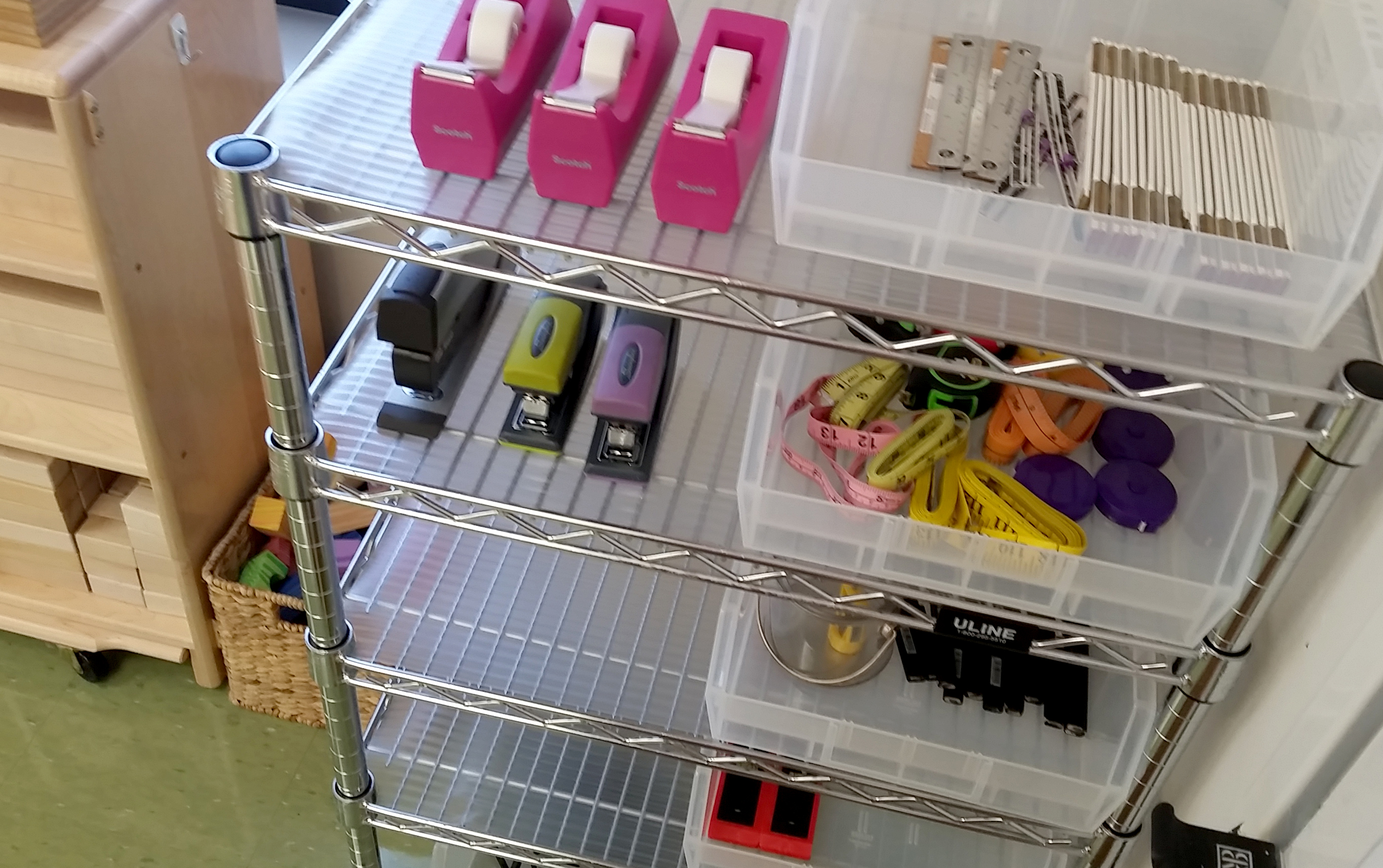
A second smaller shelving unit — on the coolest, gigantic wheels — keeps our tools neat and easily accessible. There’s opportunity for remarkable exploration and learning through the use of these tools.

20170901_133646


The maker trolley has always been a part of the makerspace, but this year I am repurposing the back to hold more materials, and storing our large item bins in the open. I am hopeful this will increase use and understanding.

20170901_133817


The two classroom easels provide opportunities for creative art experiences outside the regular art curriculum. The second is actually a double easel – fabulous for conversation and inspiration! I love leaving the dried paint on the easels. It adds an element of beauty and history to the space, and allows for freedom as one paints.

I’m thinking about the resources I have that might enable me to store paper beneath the easels — enabling the artists to be autonomous in their work. I have some ideas I’m going to try this week.

20170901_133829

I love the connection between my learners’ art experience and mine (the watercolors are my work). I also like the suggestion of a connection between painting, shapes, blocks and building.

20170901_133525


Print is plentiful and purposeful in my learning space. I want my students to read the room and learn. I want them to become more skilled at letter recognition and use, and to be inspired — to see, read, absorb, and live, what is important.

20170901_13440420170901_13374120170901_133705


I love all the little print treasures in my space, so it’s nearly impossible to choose a favorite. However, I am enjoying this one quite a bit!  I wonder what it will evoke or awaken in those who see it. For me it stirs up joy, possibility, positivity, and continuing even when obstacles arise.

20170901_133536


And this, partially hidden gem, out of the way of traffic, is a message from me, to me. “Be a superhero every day. The kids and the world deserve it!”

20170901_134151


All the best to all my fellow educators. Arm yourself with another Malaguzzi truth “Nothing without joy!” and have a fantabulous year!


NOTE:

Whenever I write, I think of all the remarkable people I’ve read, talked with, and researched . I think about adding tons of links to each post. Instead, I offer my deep gratitude to all those who informed my research and learning,  and remind my readers there is a great bibliography at the end of my Creative Education article.


Save