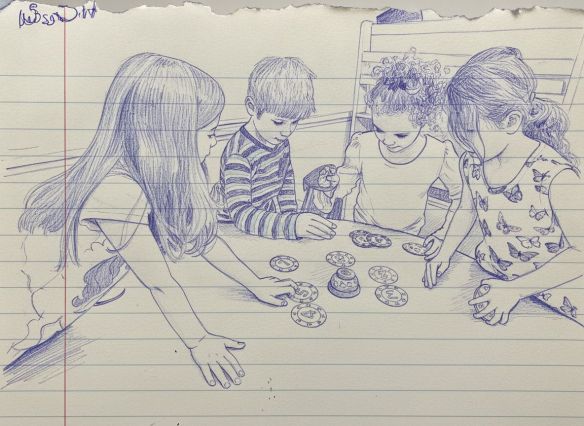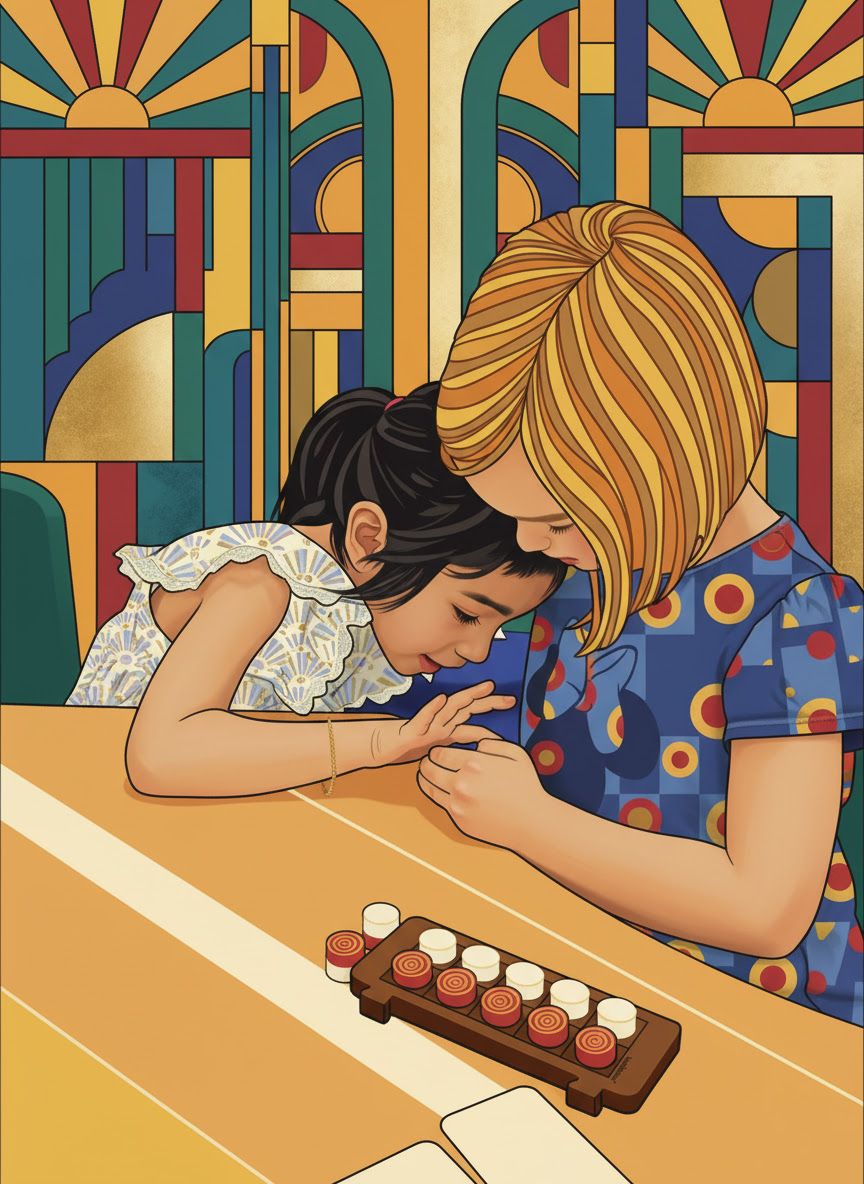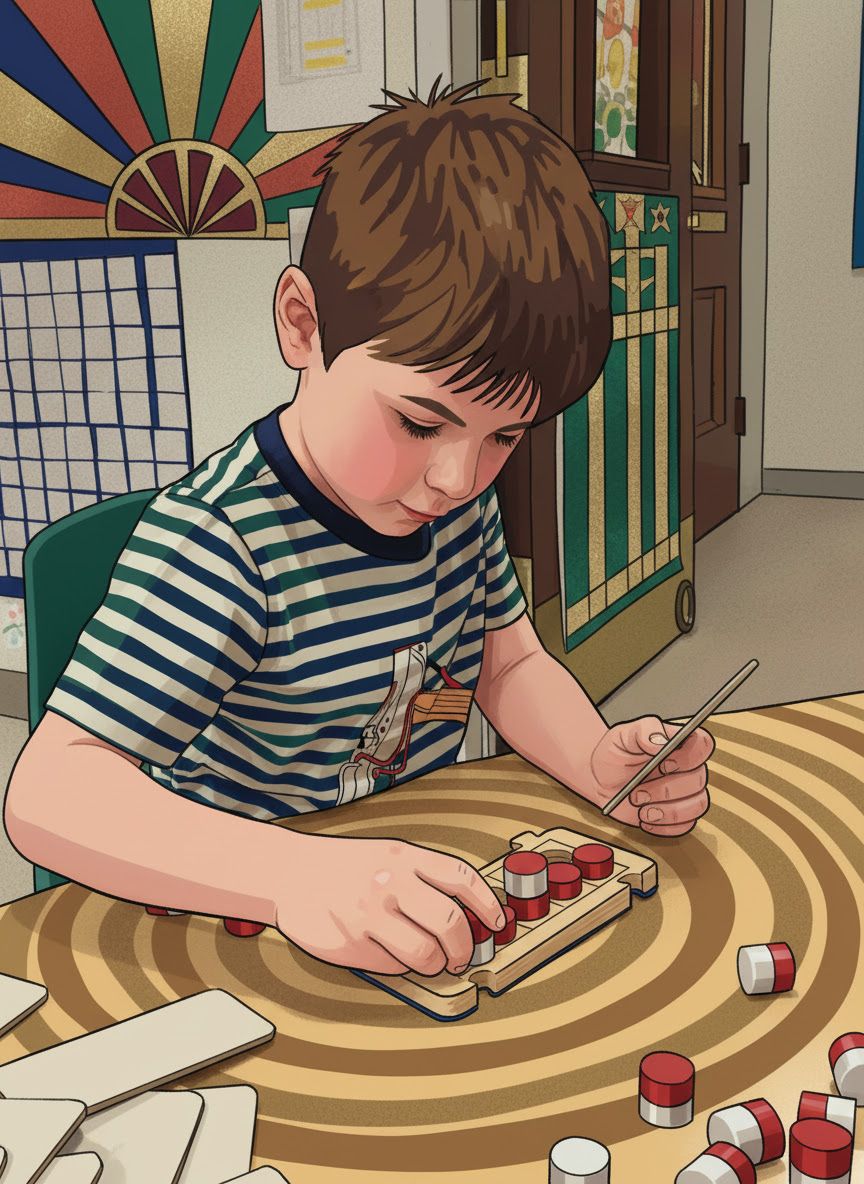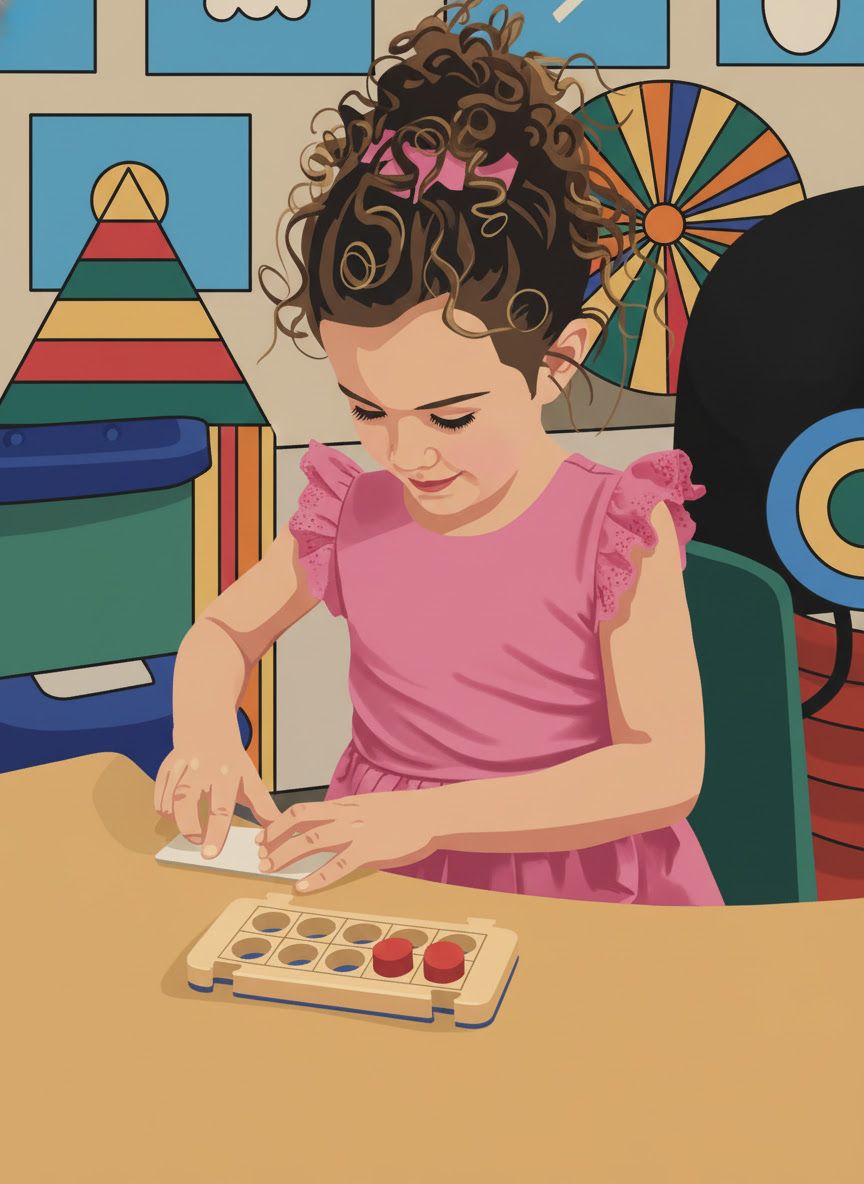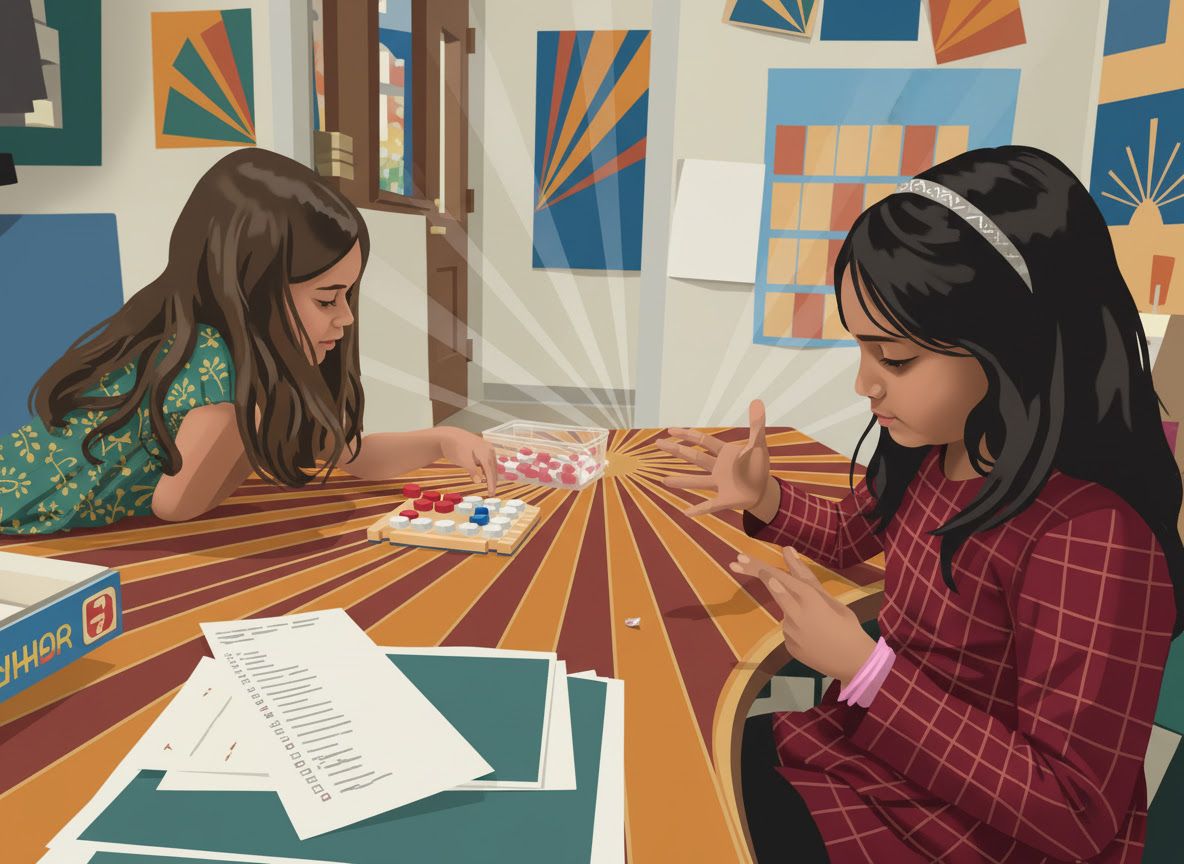
Ring It was always a favorite game in my Kindergarten space. The Kinders and I would play it all day if we could. It’s a game that can be used with those who are beginning math thinkers and doers, as well as the more advanced thinkers and doers. (Btw, it’s now called Tap A Bell’o. Why? I do not know.)
I bought the game for my pre-K-ers this year, and I’m happy to report it is beloved by them as well! Playing together was a joyful, fascinating learning experiment for me and my pre-K-ers.
After paying close attention to how the kiddos play the game, I usually explain and add rules. It all helps to keep the fun, reduce unnecessary chaos, and increase math and social emotional learning.
These two rules help with the smooth running of the game:
***If you ring it and there is no match, you must sit on your hands for one round. Or, if you’re like one sweet soul today who said, “I can’t sit on my hands, Ms. James. It makes them hurt.” just put them under the table on your lap.
***We begin each round of the game by whispering, “3, 2, 1 flip.”
These two allow for greater math thinking and doing, and I introduce them after we play for a bit.
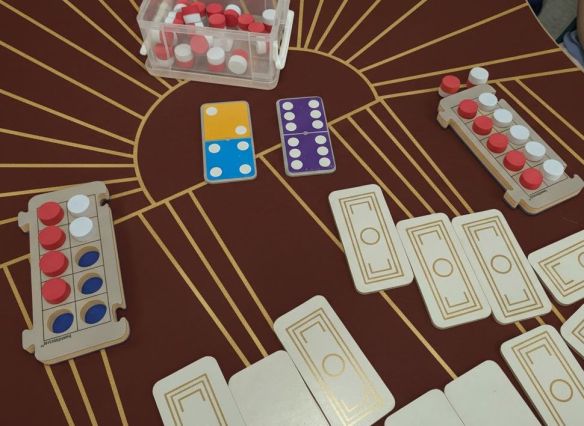
***Dot cards (I enhanced the deck with them) can be matched to each other or to a number.
***You can add cards to make matches. For instance, 4 dots and the number one can be added together and form a match for 5.
One of our first games, my director joined in the fun. She marveled at the whispered “3-2-1 flip” and then laughed out loud as the bell was rung at least 5 times in quick succession after the first flip. As I place my hand over the bell, she laughed and said, “Phew, Ring It is a little chaotic in preK.” I laughed, too, and replied “Oh yeah! We’re still learning. This is only our second time playing.” She nodded in understanding and continued to play the game with us. The kids loved that she joined us.
Bell ringing, patience, and expedient announcements of your match were areas of learning, and with practice we all got better!
The need for me to cover the bell so that the ringer could think and claim their match decreased dramatically. In moments of passion it sometimes returned, but it was much better. In fact the mighty mathematicians began to develop their own rules to help with one of the difficulties. When we began, there was arguing about who rang the bell first. But, as we continued to play, they young mathematicians started to split the cards, explaining, “Since we both rang, it’s only fair that we both get one of the cards.”
As I watched them play, I noticed one young mathematician always seem to ring the bell first. I was amazed. Then, I realized she flipped her card last, and instantly rang the bell after her flip. Further observation showed she rang before she had a match. She wanted to win and had developed a way to do so. She didn’t understand what she was doing was against the rules. It took her several times to internalize the idea that she shouldn’t just ring as fast as should could, but instead wait until she saw a match. I chuckled sharing it with her mother because I was impressed that she had figured out a way to be successful. Her mother apologized thinking her daughter was cheating. I explained she wasn’t cheating, she was problem solving, searching for possible ways to score matches.
As I mentioned, as the game playing progressed, I introduced the dot cards, and then the idea of adding cards to get a sum that matched another card on the table. In Kindergarten I set it as a goal. For instance, “Today we are playing for 8.” The only way you could gather cards was if there were 8’s to match, or ways to make 8 with addition or subtraction. They could add, subtract, or add and subtract. It was amazing! With my pre-Kers I instead offered addition while playing as a matching option
Once, as they started to whisper “3-2-1 flip.” I said, “Wait there’s another match.” I let them think for quite some time. Finally I gathered the cards saying “4 and 1 more is 5.” I played that strategy a few more times, and then they began using it on their own. Sometimes there was a match and they didn’t find it, sometimes there was a match and they found it, and sometimes they tried all the combinations and discovered there were no matches. I enjoyed sitting back and pausing as they thought and “talked math” with one another.
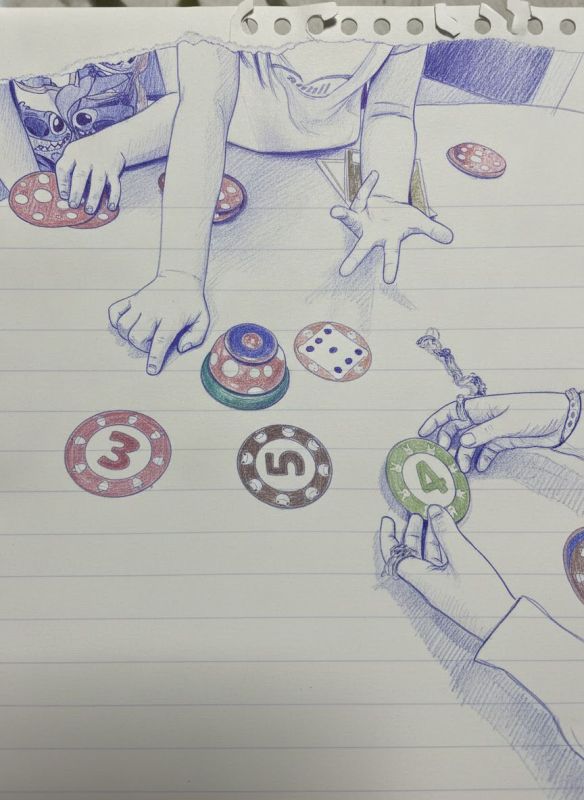
Once one of the marvelous mathematicians who was playing “as a helper” figured out the match. Instead of simply using her big, beautiful brain to give her friend the answer she put the numbers on her fingers, then turned to her friend and said, “Here, count my fingers.”
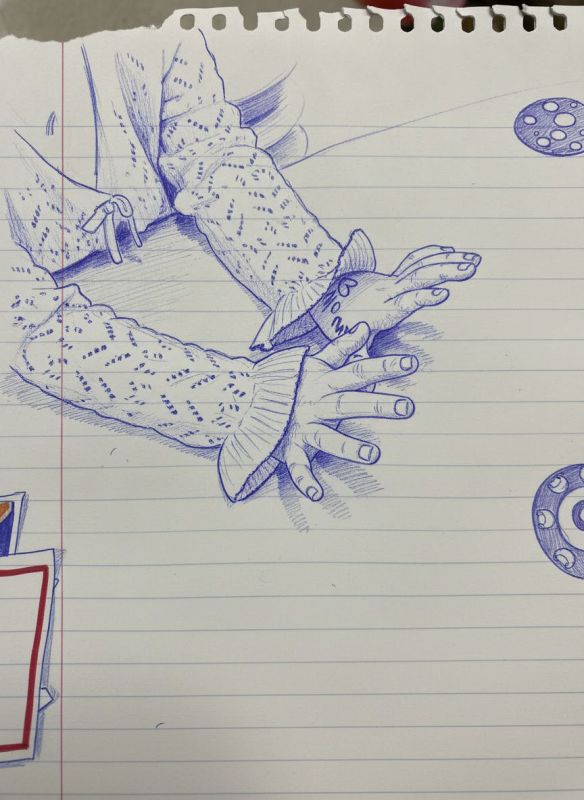
Some of the mathematicians thrived in the face-paced, mildly chaotic world of Ring It. Others took a while to warm up to it. I was pleased to see that some of the mathematicians would win a match and then announce “I won this for you, Phoebe.” as they handed the match with a smile to a friend who had less matches. The gesture was always welcomed with a “Gee, thanks.” Some would regularly ask to play with partners so they could help each other. They always came up with new ways to partner — for instance: take turns, one ring and call, one pick up the match, or just be a team. I was ok with it all — they were learning math and using math strategies, they were growing as thinkers, problem solvers, and community members, they were engaged, and they were having fun. I learned so much about them as we played together, and just like them, I had a blast.