You Love Us

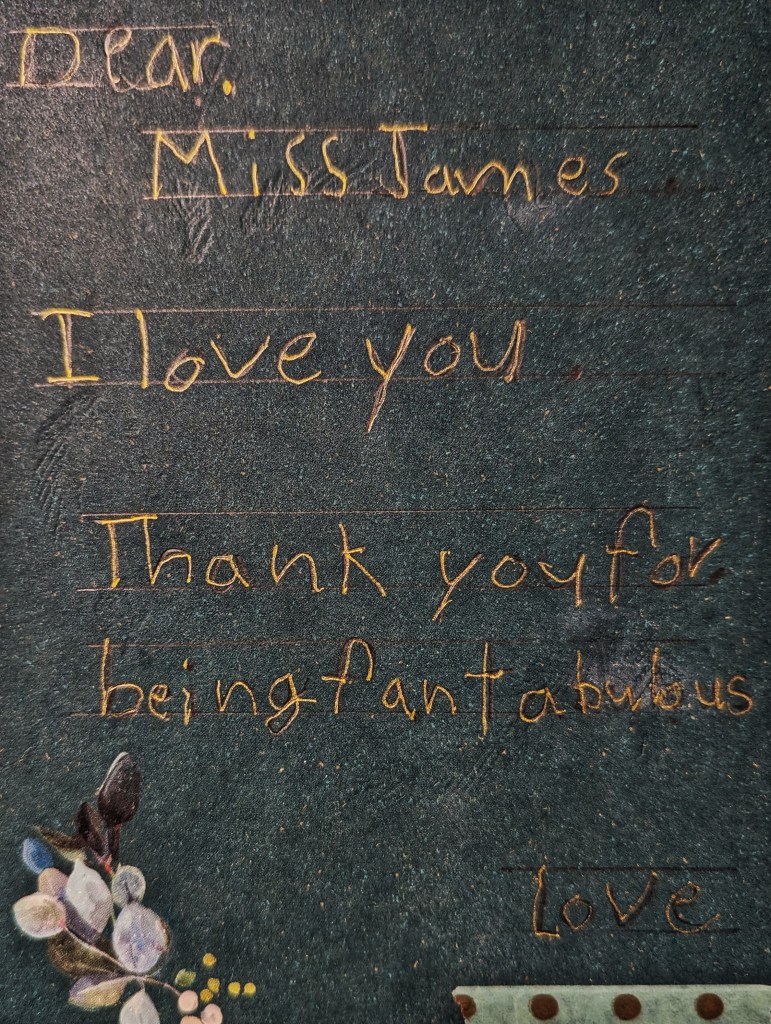
The day before winter break I was surrounded by students as we talked about our upcoming performance and I opened various cards and gifts. One of my Kindergartners looked at me and asked “Miss James, why does everyone say you’re the best?” All eyes turned to me as they awaited my response. Genuinely curious I responded “Hmmm … why do you think people say that?”

There was some chatter amongst themselves and then they turned to me and said “Because you love us.”

I responded “Yeah, I do love you. Do you think that makes me the best?”

They responded “Yes.” 
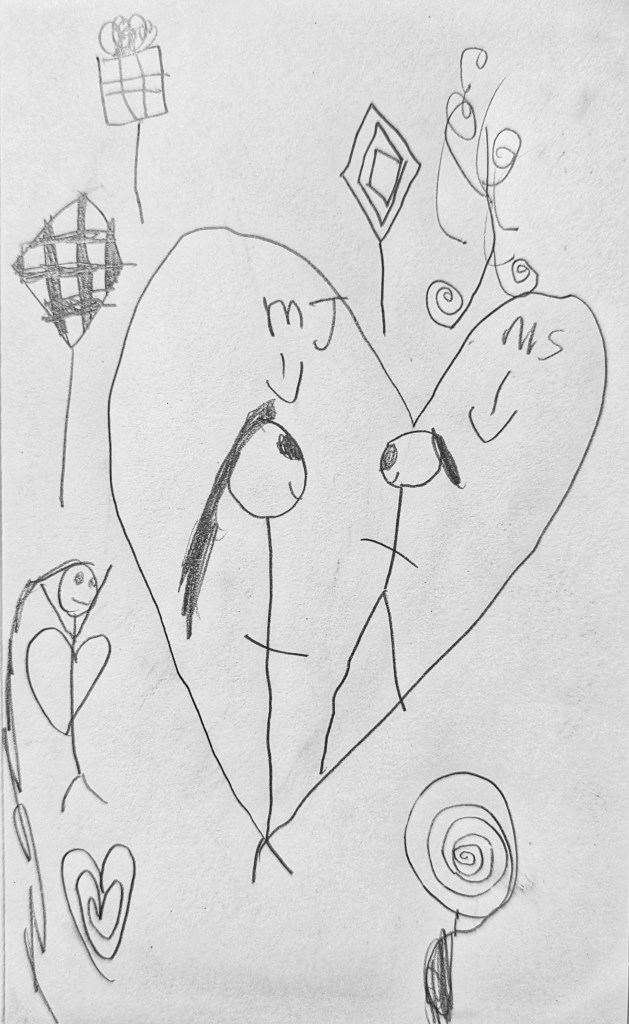
It’s an answer that gets to the heart of the matter. I do many things. I am always thinking, changing, making, trying new things, talking, explaining, laughing, teaching, learning, guiding, and being with them. But at the center of it all is love. I love them.

What the educator does in teaching is to make it possible for the students to become themselves.

Paolo Fiere (https://civiceducator.org/paulo-freire-quotes/)

I trust my love makes it possible for my students to become themselves — their best truest selves. Yes, of course my diligence, my fantabulousness, my work, my thought, makes it possible, but mostly it’s my love. All that other stuff grows in strength, brilliance, and awesomeness because of love.

Funny, I thought this would be a quick post about the power of love in the classroom. But, as I wrote I was reminded of a conversation I had years ago with someone in the educational field who discounted the idea of love. They declared it was only a word and would fail at some point. I was aghast. Love only a word??? Love would fail! Never. Might I fail, yes. Might I be less than loving? Of course. But when I say I love you, I mean it in all the power it can hold. Love isn’t a sentiment. It’s a way of being. It’s a choice.

Anyway, that recollection urged me to look for a way to put into words what I mean when I say I love my students.

Andrea Bonier PhD wrote about healthy relationships in Psychology Today. When I read her article, I thought about my students, my love for them, and theirs for me. Here are her 11 elements of a healthy relationship (and one of mine). Perhaps they don’t contain the fullness of what my love for my students is, but, they are a concrete way to see the love I have for my students.

  • Trust – I operate from a place of trust. I trust in their word and their abilities. I live in a way that enables them to trust me. I encourage them to trust themselves and each other.
  • Communication with openness and honesty – We communicate a lot — sharing our feelings, our ideas, our wondering, our apologies, our needs and wants. I do my best to model the best form of communication — honest, respectful, and powerful.
  • Patience – Phew. Every relationship requires patience. Relationships in a classroom often seem to require more. I do my best, but when I fail, I apologize and try to do better. My students do the same.
  • Empathy, healthy conflict resolution, and individual boundaries – I’m always trying to increase our Emotional Intelligence. Are we self aware? Are we socially aware? What are we feeling? What might they be feeling? Have we talked with each other? Have we really listened to what is being said? What did I hear? How might I behave because of what I’ve heard and know.
  • Affection and Interest – Love is action, but there is also feeling, emotion, and affection — even in the classroom. Learning to navigate that is a huge part of loving well. And interest — oh my yes, we all want to share about ourselves. We want others to be curious, interested, even amazed. I always operate from the position that nothing they do or are can be relegated to the “Oh that’s so cute.” category. There’s always more — it’s hard work, it’s imaginative, it’s creative, it’s fantabulous, it’s worthy of my time and attention.
  • Flexibility – Whenever it’s possible I am flexible and give choice and wiggle room. For me it goes back to trust, empathy, and affection.
  • Appreciation and if I might add valuing – I appreciate and value my students and let them know. I appreciate and value their hard work, their humor, their thoughts, their courage, their love, their willingness to try, and much more.
  • Room for Growth – Gosh yes, this is a huge part of love. We always have to give others the room to grow and change. We are not who we were yesterday, or for that matter even a moment ago. Allow for growth and when appropriate, communicate about it.
  • Reciprocity – There are many opportunities for reciprocity in our learning space. Learning from one another, doing for and with one another, supporting one another. These are not just roles that I fill. I encourage my students to teach me, to show me, and I let them know that I’ve been inspired or learned from them. I accept their help with grace and gratitude, even when I know I can do things faster and or better than they can. I check in with them often, and I relish the moments they check in on me.

Creativity for the Win

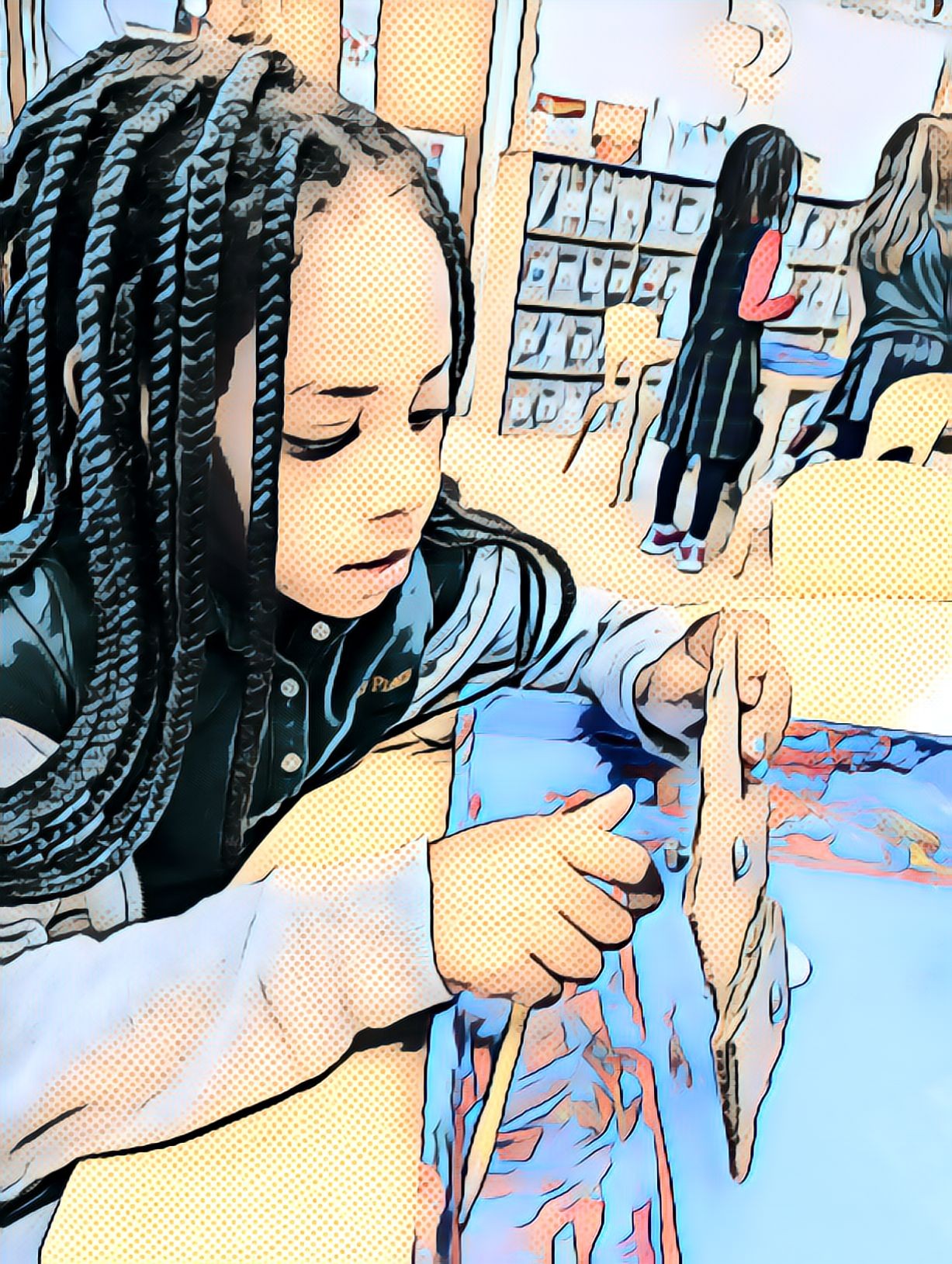
It’s the beginning of the school year, and as is always the case, there is a lot to learn — for my students and for me. This year, the load of learning was stressing me out. The stress I was feeling wasn’t fun, and it wasn’t helpful, so I decided to try another way. I embraced my creativity, my love of words, and my love of singing, and decided to craft some song lyrics and a chant to help with two of my current challenges.

My first challenge is cleaning up. Sometimes cleaning up in the classroom is a real struggle. A song would give me something to do, might lighten the mood on the tough days, would give my Kinders time to clean, and would hopefully be fun. Now to think of a song to use.

As I was driving to work one morning it hit me — the Hokey Pokey! We’ve been singing the Hokey Pokey song ( laughing at the various things we put in — winner for most laughs was our armpit) so the Kinders were already familiar with the melody. And, yahoo, I could alter the words to allow me to sing about what my Kinders are already cleaning up, or to give direction when needed.

It’s a good thing I commute alone, because it took several rounds of the Hokey Pokey before I was satisfied with my work.

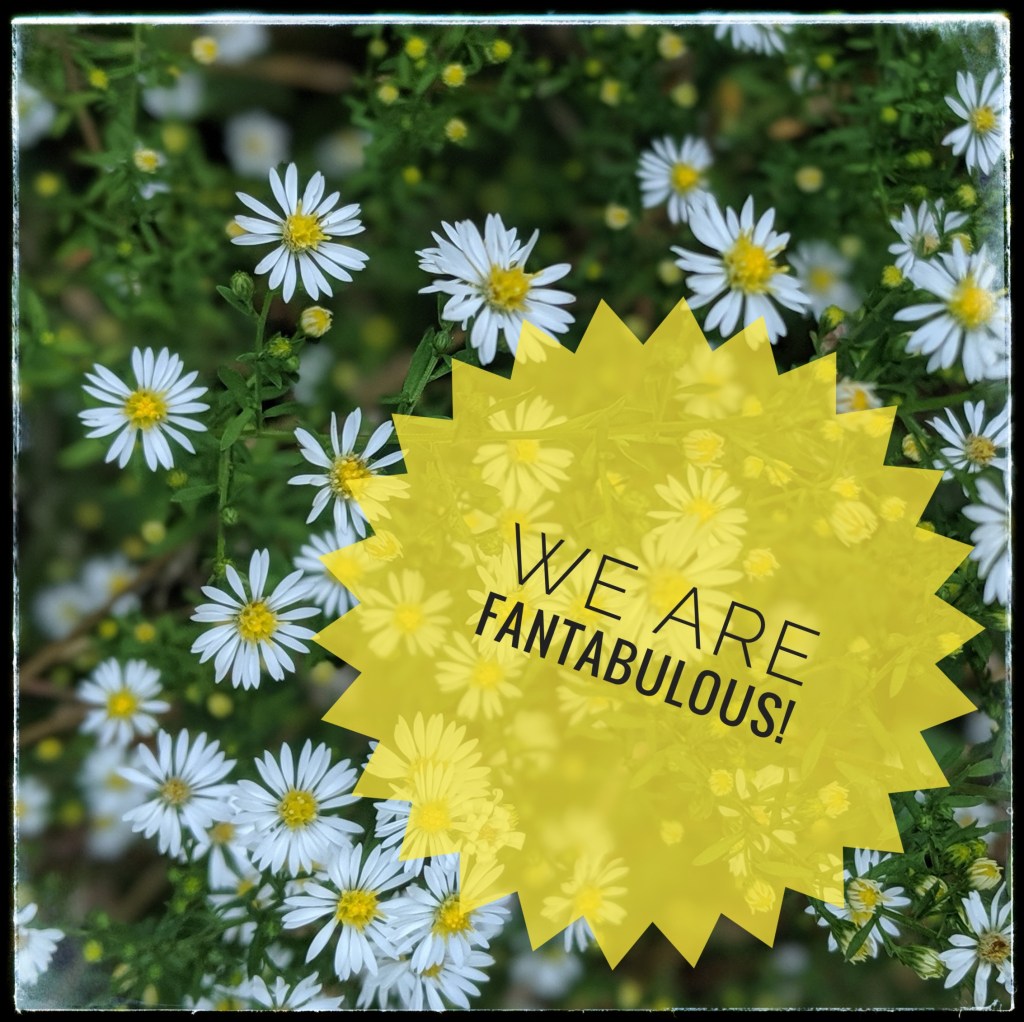
We pick some _____ up, we pick some _____ up, we pick some ______ up, and we put them all away. We work together every day. We’re fantabulous in every way. That’s what it’s all about!

We’ve been singing it for the past week, and it has accomplished all I hoped for and more. The best part — other than the cleaning up — is when I hear them singing “We work together every day. We’re fantabulous in every way. That’s what it’s all about!” I think I need to sing that part to myself over and over again to remind myself that yes indeed, that is what it’s all about.

Next I set my mind to a chant to begin our various learning periods. How might I help my Kinders prepare to learn? I love the idea of affirmations — rewiring their brains to believe in their own fantabulousness — but I wanted something with a beat that they could learn and repeat without my help. Inspired by my awesome Kinders, I reworked our usual affirmations into our ready to learn chant.

I’ve got a big beautiful brain and an awesome heart.
I’ve brave. I’m kind. And, I’m mighty.
I can do hard things, and I’m ready to learn.
(whisper) Oh yeah, I’m ready to learn.
2 snaps, hands in our laps.

I’ll be testing our chant out in the weeks to come, and will report back with any observations. I’m going to let my Kinders know that the chant is to help me as well. I always appreciate the reminders. I’ll keep you posted.

Build On With My Parent Questionnaire

Recently I posted about the postcards I sent to my Kindergartners. It was the first block I set to establish our classroom culture and community, and the first step in building relationships with the families and learners in my class. Wednesday, I set the next block.

To be fair, I’ve been thinking about, researching, and creating this block for quite some time. It’s my parent questionnaire. I considered what I wanted to know about my learners, their parents, and their families. I spent a considerable amount of time drafting the questions. I wanted to begin sharing our classroom culture and some of my pedagogy: the importance of relationships, communication, and positive, affirming language, as well as the power and primacy of the voice of the learner no matter how young.

I’m super grateful for the plethora of educators and educational institutions that posted their parent questionnaires online. They were each valuable to read. It was interesting to read, not only the words, but the tone, and the message that was implied, or perhaps that I inferred, from the way the questions were worded.

After several drafts, I finally had my parent questionnaire set for this school year. My families are connected to our school electronically, so I chose to use a google form rather than a hard copy form.

In a spirit of gratitude to the others who shared their questionnaires online, here is mine. My voice and style may not work for you. Your voice is the one you want to share with your learning community. None-the-less, I hope imy questionnaire helps you create your parent questionnaire in a way that establishes relationships, sets your classroom culture, and helps you have the best year possible with your new students and families.

Hello fantabuous parents! I have the pleasure of having your children in Kindergarten James this year. YAY!

I’m excited and honored to partner with you on your child’s amazing learning journey in Kindergarten. I know we have all year to get to know one another, but I’d love if you would take a few moments to answer the following questions. My hope is to get to know you, your child, and your family — just a bit — even before you step into our learning space.

When you have a moment, please fill out this parent questionnaire. Hopefully it will be painless, and perhaps even enjoyable! I’m looking forward to reading your answers, and learning a bit about you and yours, prior to the start of Kindergarten. I’d be grateful if you completed the form by August 31. Thanks in advance.

Have a wonderful day!


Getting to know you. You are an important part of our classroom community!

  1. Your email.
  2. Your name(s) as you prefer to be called.
  3. What are you looking forward to with your child in Kindergarten?
  4. Would you be interested in sharing skills, traditions, or customs with our class this year? If so, what might you like to share?
  5. What are your hopes and dreams for your daughter this school year?

Getting to know your child. Good relationships begin by getting to know each other. We’ll grow our relationship each day, and this will help us get started.

  1. What is your child’s full name (first, middle, last)?
  2. What does your child prefer to be called?
  3. What are your child’s strengths?
  4. What would you love your child to get better at?
  5. What fears does your child have? (big or small)
  6. What is the most important thing I should know about your child?
  7. Ask your child: What are you really excited by, or interested in?
  8. Ask your child: What do you want Miss James to know?

Getting to know your family. Our families are super important — at home and in the classroom.

  1. Who else lives with you (siblings, grandparents, pets, etc.)?
  2. What, if any, holidays or traditions are important to your family?
  3. In which language(s) are you and your child comfortable conversing?

Anything else? Here’s your chance. What else would you like to tell or ask me?

  1. What haven’t I asked, that you’d like to tell me?
  2. What questions do you have for me?

MAJames 8/2023

Questions and Thinking

Looking to be entertained and inspired as I begin to think more deeply about the school year ahead of me, I picked up James E. Ryan’s book Wait, What? — and Life’s Other Essential Questions. I’ve recommended it before, and do so again. It’s easy reading, filled with good ideas, and always makes me chuckle.

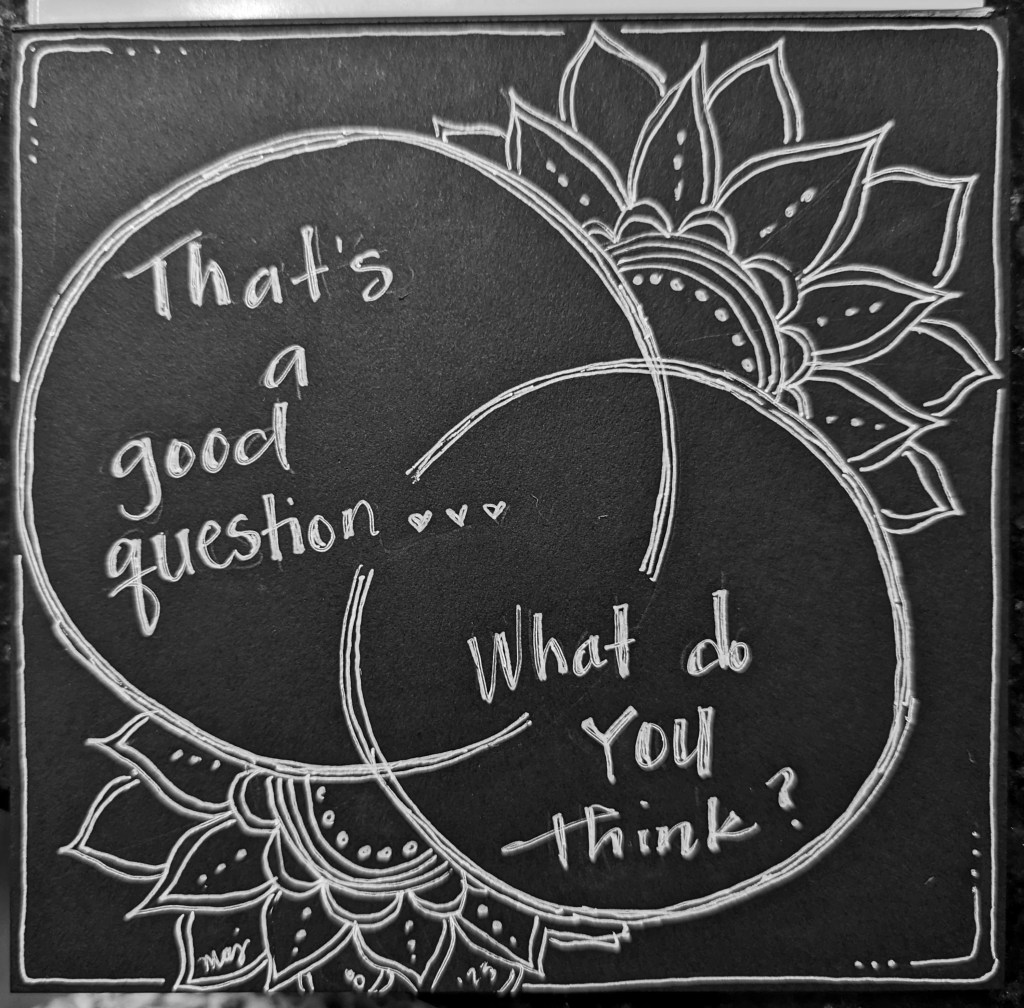
Today I’m reflecting on James’ suggestion that we reflect our student’s questions back to them.

I really love this idea for a few reasons:

  • It values the student’s question.
  • It encourages us to listen, rather than doing the lion’s share of the thinking, planning, and answering.
  • It affirms our students’ ability to think.
  • It demonstrates our confidence in their ideas.
  • It amplifies student voice.
  • It models curiosity.

There’s so much power in a rather simple statement and question. That’s a good question. What do you think? Using it, our students learn and grow, and so do we. What do I know and understand? What don’t I know or understand, yet? Who is this person in front of me? What can I learn from them? What can I teach them? What do I think? Am I more capable and knowledgeable than I thought? Do I have courage? What might I work on, think about, and/or do? Great stuff for me to reflect on as an educator, and to teach and model for and with my students.

One last thought for today. James suggests that we listen carefully and generously. I would add — for myself at least — Listen patiently, with curiosity and awe.

A Sweet Treat and Reflection

Life has been feeling a bit cluttered lately. A plethora of things are vying for my attention, and filling my to-do ta-da list. Still others are disturbing the peace of my physical space.

So, I breathe, try to do one thing at a time, and begin to tackle the things in my physical space. A vivid mental image of me literally tackling the stacks of things — knocking them to the ground in a feat of physical prowess and dominance, is wildly satisfying and amusing.

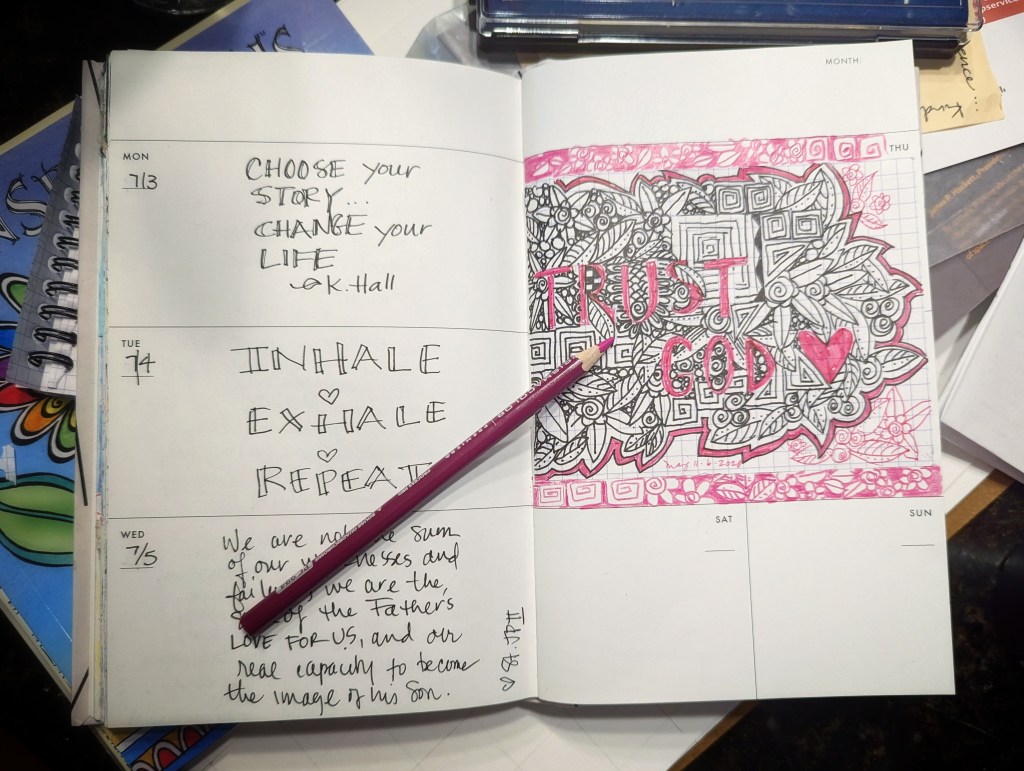
As I recycle, donate, and trash the things I no longer need or enjoy, I flip through many notebooks. In one, I find this sweet treat. I’m pretty sure I did it as I waited for a doctor, or got some sort of infusion.

It was a much needed reminder — from me to me — and as I looked at it, I thought, “I should take that out and put it somewhere I’d see it more often.” Funny enough, even as I was thinking what a great idea that was, I was also thinking, “Take it out? Are you nuts?”

I cannot exactly explain why I was thinking — or perhaps more accurately feeling — that angst. It didn’t make that much sense to my brain, but none-the-less the feeling was strong. I think it has to do with a fear of wrecking the piece, or making it less, or somehow lessening its value and impact for me.

I thought of several things I might do with it — including pasting it in my daily art affirmation and positivity journal. Still reluctant to rip it out, I instead ripped out a blank sheet as a template. I measured, thought, placed, and looked. I repeated the process many times. Finally I realized there were no rules that stated I had to make art in only one day’s space. It is my journal, my creation. I could place the piece wherever I wanted — even centering it over two days.

I considered adding washi tape on the top and bottom border, but couldn’t find it. So, I grabbed a colored pencil, and created my own washi-tape-esque border. I’m quite pleased with the result.

The washi-tape-esque border creating was meditative and zen-like. As I worked, my brain noticed, wondered, made connections and generated questions.

  • Our learners may feel and express things that don’t seem to make any sense. That doesn’t mean they can, or should, stop feeling it because we think it is unwarranted. And just like with my feelings and thoughts, talking to make me want to do it any more. It’s important to remember that sometimes encouraging, reasoning, and/or requiring doesn’t help.
  • Taking concrete steps helped! Making something — using my hands to think — enabled me to iterate, ideate, see new possibility, and create something new and even more impactful. I think an essential piece is that I used MY hands to think. I did the doing and the thinking.
  • How might I be an effective thought partner with my learners?
  • Taking the old art, and incorporating it into my life and art in a new way, required me to reexamine the old piece, find essential elements, and consider ways to incorporate these things on the new piece.
  • How might I incorporate this type of art into my Kindergartners art making experiences?
  • There’s so much to gain from this type of endeavor.
  • What are the connections to student art, learning, doing, and thinking?
  • How might I make help make these connections for and with my students?

I really like the truth that our ideas, art, thinking, writing, (perhaps everything) don’t need to be limited or confined to the original. They can be the fantabulous original, and they can also be fodder for something new and satisfying. Bringing forth something new is often — or is it always? — the purpose and power of ideas and creations. Sometimes the new is a feeling, an experience, or an understanding. Other times, it’s a new idea or creation. As I type, I’m asking myself, and you, if we will be ok when our new idea or thing requires the partial destruction of our original one. And, I’m wondering how we will help our students be ok when they are faced with the same situation.

I am the Queen

Sometime in May, a Kindergartner approached me with a strip of paper, and asked me to write a few of my favorite words. When I asked her what it was for, she said, with a smile, “Can you just do it, Miss James?” With a chuckle I replied “Sure!”

She thanked me, walked away, and in a bit returned with a sheet of paper. “Would you help me make the crowns that you make, Miss James?” After asking her a few specifics regarding her vision for the crown, we worked together to craft something she liked. Again, she left me.

Shortly thereafter, she returned with the original strip, a second strip, and the crown. “Ok, Miss James, let’s measure your head and make your crown!” I laughed out loud! “My crown?!?!!!” With a big smile she replied “YUP!

We measured, stapled, and admired our work. She gave me a high five, and walked away with a pleased smile, announcing to her friends, “Look, Miss James has a crown!” I wore the crown for the rest of the day.

I failed to take a photo of myself, but as I went through things at the end of the year, I came upon the crown. As I read the words, I made the connection that they are some of the things that make me a queen — that give me my power. I am the queen of creativity, love, joy, laughter, and fantabulousness. That is not to say you are not, also, the queen or king of all these things. Simply a reminder from me and my Kindergartner, about me!

I placed the crown in my willow tree to grab a photo of it.

There are a few reasons I chose the willow tree.

#1: It looked interesting.

#2: It reminded me I am — while nearly always thinking, imaging, and dreaming about my learners, and my teaching — at this present moment, on summer break. And, it’s super important that I become queen of my own health, restoration, and renewal during this time.

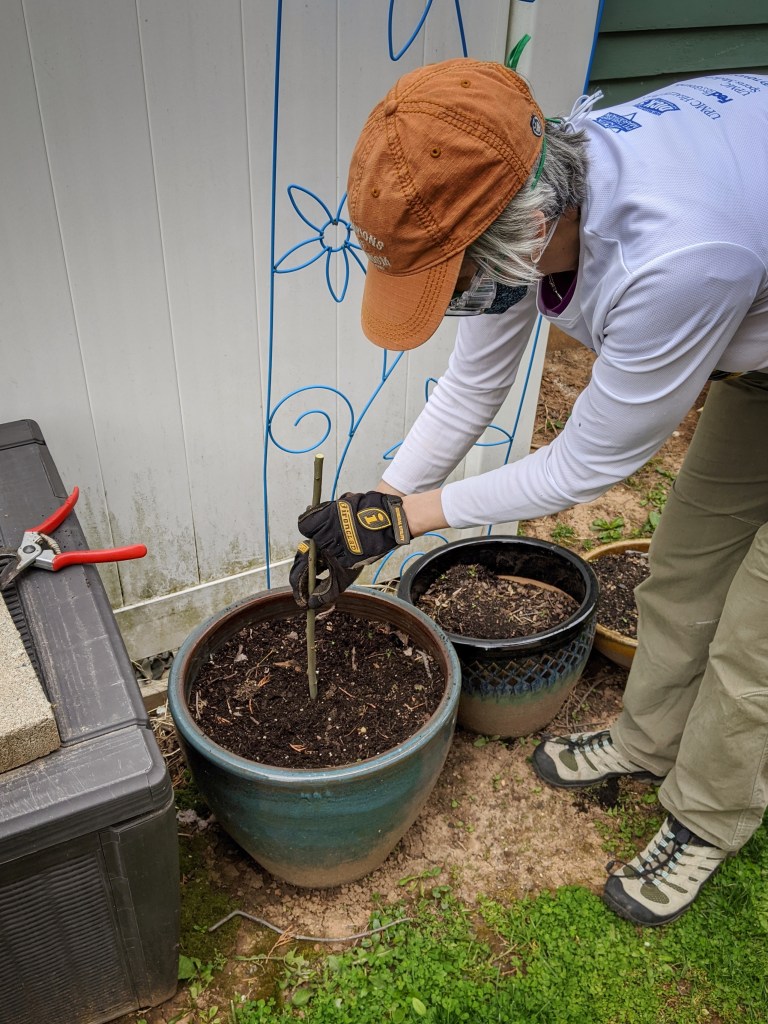
And #3, This willow tree was just a single willow branch devoid of leaves, that I stuck into a pot of soil. My brother, assured me that I didn’t need a stick with leaves. When I took the branch from the tree that was growing, I should cut the top of the branch flat, and the bottom on a diagonal so I would remember which was which. Then, I simply needed to place it in the soil (diagonal side down), keep it watered, and make sure it got sunlight. The branch and nature would do that rest. So, trusting in the magic hidden within that small stick, I placed it in the soil.

Even before my Kindergartners left that year, the stick was already blossoming forth with beautiful green leaves. Three years later, it is much taller than I am, with a sturdy trunk and a plethora of branches.

I’m reminded that my students are very much like that stick. They may not have many leaves. Perhaps they don’t know all the letter sounds, or they struggle to share their ideas, and aren’t quite sure they believe in their own abilities and awesomeness. No matter what they show me on the outside, there is magic and incredible potential inside of them. Magic and potential that will, at some point burst forth with beautiful leaves. They will grow, learn, think, create, and flourish. I just need to trust, provide the best possible environment, and always keep the right side up!

A Haiku Walk

I blogged about my daily haiku practice when I first started. I love the practice. I was very faithful from July through December. Then I was knee deep in teaching, coaching, and some family health issues, and my practice was set aside. The other day I found my haiku journal, and stowed it in my bag, hopeful that I’d find a moment to begin again. Days passed, and my journal remained safely tucked in my bag. I didn’t write, but each time I saw the book I thought of my Kindergartners.

My morning meeting manager composes our morning message each day. It seemed the perfect place to begin their haiku writing practice. Each one would then write five haiku poems — one a day during their week long job.

The process and products were delightful. The Kindergarten poets stared at the computer screen, thinking. They looked up thoughtfully and counted silently on their fingers. They tested sentences, and they wrote morning message haikus.

As they crafted their sentences, I practiced patience. I resisted the urge to free them from their struggle. Instead, I gave them time and space. My silence assured them I knew they could do it.

I breathed through every thought that encouraged me to watch the clock and rush them through their task. I reminded myself: “They can do it. The struggle is important. Their thoughts are valuable. Learning is happening. Breathe and wait. Wait and breathe. Accept these moments as gifts.”

Here are some of their messages. I love that the poems are infused with kindness, and affirmations. And their word play — mathy and mathists — bring me joy.

We are amazing.

We are artists and mathists.

 I love the playground.


Miss James is awesome. 

Everyone is so awesome.

Everyone is friends.


Friends are very kind.

Friends are very, very, kind.

We are very kind.


We are mathy girls.

We are mighty mathy girls.

Math is fantastic!


We are super nice.

We’re the best Kindergartners

We are always kind!


We are amazing.

We have big beautiful brains.

We are wonderful.


We are wonderful.

Everyone is amazing.

We love each other.


We are amazing.

We have big beautiful brains.

We have awesome hearts.


I loved everything about this, so I kept my eyes and mind open to other haiku possibilities. As the the days turned into beautiful spring days, I told the poets that we would be taking time during our reading block to take a haiku walk. They asked many questions: What is a haiku walk? What will we do? Can we go places we’ve never gone before? When are we going? Can we go more than once? Will we actually write haiku? I answered all their questions, and we planned our walk for the next day. Then, the weather turned cold, gray, and wet. Each day they asked if today were the day we would walk. Each day I said “Not today. It’s too wet and cold.” I knew we could walk and write when it was wet and cold, but I also imagined that better weather would lead to more joy, more writing, more willingness to engage.

Finally, on Friday, spring burst forth again. The sun was bright, and the temperature was warm enough to head out without coats. The perfect day had arrived. When I told them we were going on our haiku walk, they cheered and shouted “We’re going on our haiku walk!!!” You would have thought I told them I had candy and puppies for everyone!

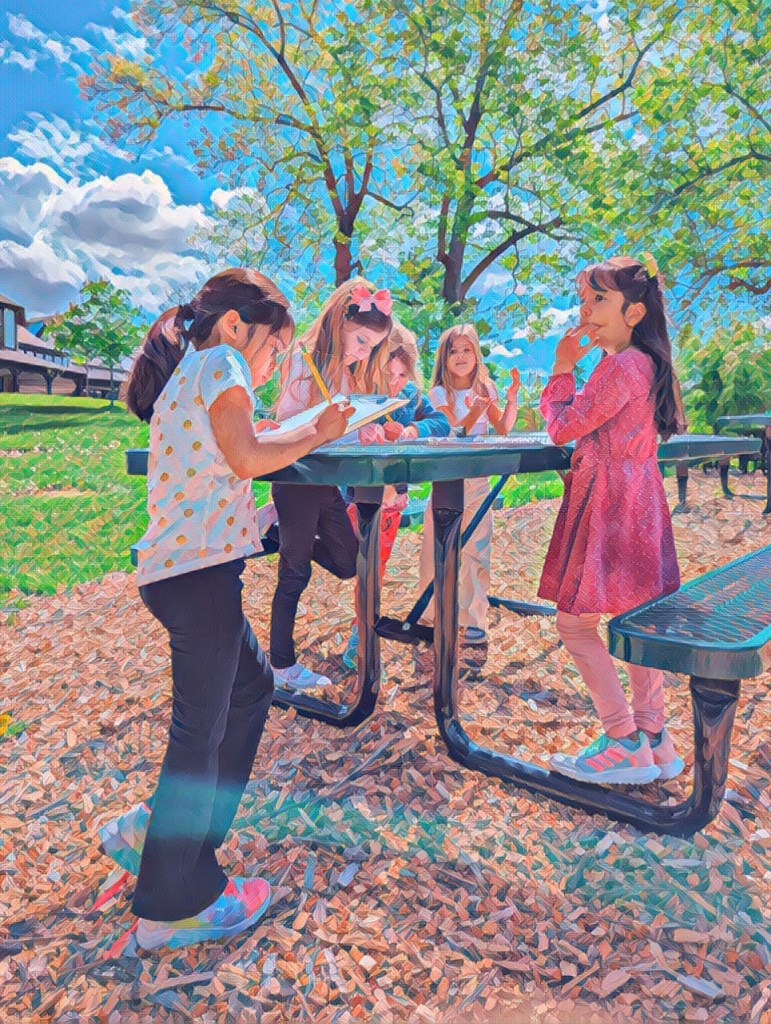
We chose a spot to gather. It was large enough for them to run free, explore, and be inspired, and also small enough for us to see each other wherever they roamed. Clipboards in hand, they wandered, stopped, wrote, chatted, and sometimes abandoned the clipboards to simply run with joyous freedom.

Here are a few of their poems.

The statue is down.

Flowers are everywhere.

This flower’s pretty


The flowers are here. 

I see sticks and logs right here. 

I see the flowers.


The bees like flowers.

The flowers are everywhere.

The flowers are here.


Trees are beautiful.

The sky’s very beautiful.

We are beautiful.


There’s lots of flowers.

There is wood chips by us, too.

The trees are so long.


The statue is gray.

It looks so cool and funny.

It looks amazing.


I see trees and rocks.

I see beautiful flowers.

I see trees and grass.


I see the benches.

I see the gate and the grass.

I see signs and rocks.


As I watched, encouraged, and enjoyed the beautiful day, I joined my Kindergartners, and documented the moment in haiku.

Haikus are forming.

Fingers count syllables, then

pausing, they run free.

Laughter swirls round them.

Feet sound in quick staccatos.

Returning, they write.

Magic enfolds us.

Haiku poets all, living

and writing haiku.

These Kindergartners are mighty, capable, and filled with amazingness. It’s good to remember this, and to treat them as the humans I know they are — fantabulous, trustworthy, free, joyful, and poets of haiku.

Opportunities for Math Play

We have fun-days in math each week. Usually they’re Fridays — because of the alliteration and the opportunity to wrap up the week with some small groups. But sometimes — when Friday Funday doesn’t work out, we start the next week with Monday Funday! Love the rhyming and joy it brings.

Our Fundays — be they Fridays or Mondays — do many things. They:

  • allow my mighty mathematicians to engage with numbers and mathematical concepts and processes through play. This helps them grow in competence and confidence as they grow their math muscle and mindsets. (And remember, Play is Fun and Powerful!)
  • provide opportunities for practicing things we are working on — +1, -1, counting, greater than and less than, partner numbers, counting on, shapes, patterns, and much more — by playing games.
  • give choice and agency to the Kindergarten mathematicians. Sometimes they choose from a curated list of possibilities, other times the entire math center is fair game.
  • give me the opportunity to work with small groups while the rest of the mathematicians are engaged in productive play.

Early in the year I added two types of paper to the math center. One has dots, the other has a grid of squares. I believe the squares are 1/2 inch squares and the dots are 1/2 inches away from each other. When I added the paper, I wasn’t sure what the Kindergarten mathematicians would do with it. I was purposeful in my choices — grids and dots of this size allow for many mathematical possibilities — but I didn’t have one specific thing that I wanted them to do. Instead I gave them something that might lead them towards mathematical play and exploration. For a while, no one used the papers. Then a few used the square grid paper to create patterns.

The Friday before our winter break this happened.

They used the dots to create patterns, and they used the grid to write numbers! Oh.my.gosh! ON THEIR OWN!!! I was super excited to see this. They were practicing writing and counting. They were noticing patterns, helping one another, using their current and prior knowledge to solve new problems, and teaching me more about what they know and don’t yet know. I gathered these papers and took the picture — at these two tables, with my feet in the photo — with intention! I wanted to document their work and emphasize their curiosity. And, I wanted to emphasize my own curiosity and interest in their work, thinking, understanding, and problem solving.

These mathematicians were psyched by the work they did, and the large numbers they were able to write. The one triumphantly reported that she had written to 1000! The other wanted to write more, but wasn’t sure how to write the numbers past 109. In both instances I acknowledged their amazing work and then entered into mathematical discourse with them.

We talked a bit about what they wrote, and how they decided to write it they way they did. We wondered if it were possible that 1000 would come so soon after 100. We noticed how the numbers preceding 110 were written. We talked about what made sense and why it made sense. We worked together to figure out the conventional way to write the numerals greater than 109. We ended the way we began — celebrating our thinking and work, acknowledging our big beautiful brains and awesome hearts, honoring our courage, might, and joy as mathematicians.

The Intrigue of Leaves

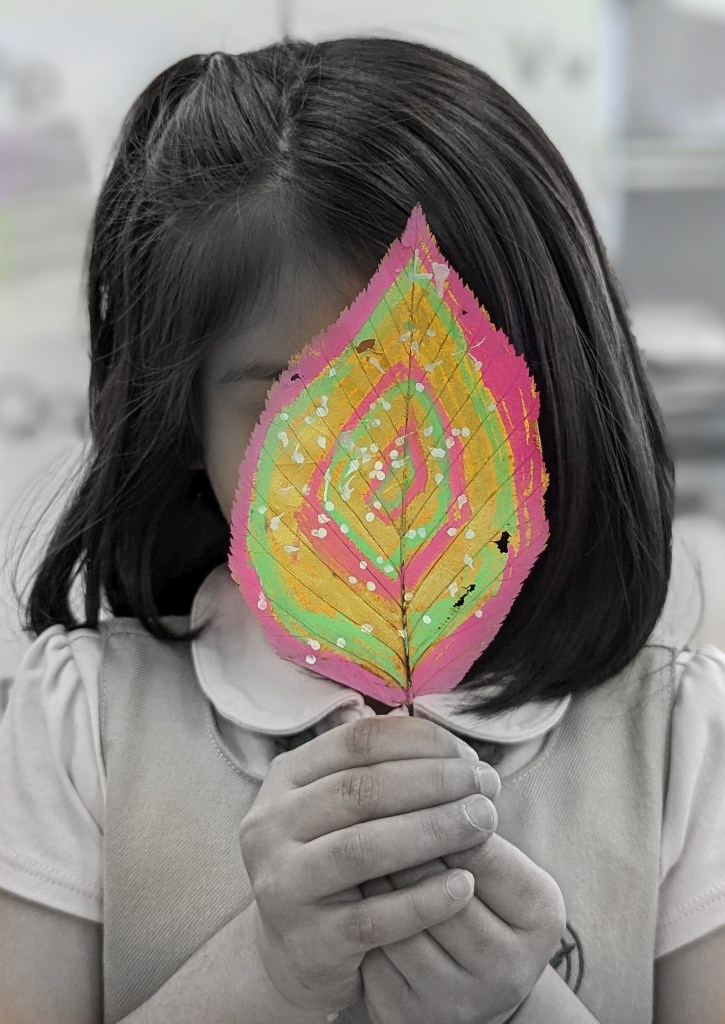
Leaves hold an amazing amount of intrigue for my Kindergarten artists — and for me! I love collecting leaves as I hike, especially knowing I’m going to share them with my artists. I purposefully look for leaves that have a lovely color, an interesting shape, or an exaggerated size (large or small).

When I come in with my stash of leaves, I am always greeted with a plethora of questions and comments.

  • Ooooh! Where’d you get those?
  • They’re so BIG (or small).
  • What are you going to do with them ?
  • Can I touch them?
  • Can I have this one?

    More questions, comments, oohs and aahhs, and claiming of leaves, come as I explain, “We’re going to paint them.”

The intrigue gets to a fever pitch as I pull out our antique paper press.

The circle of Kindergartners tighten in around me and the press. Their curiosity is peaked, and they have more questions.

  • Ooooh! What’s that?
  • What are you going to do with that?
  • Why are you doing that?
  • Can I do it?

I tell them it’s a press, and we’re going to use it to press the leaves so that they will dry flat instead of curled and wrinkly. I explain a few safety issues, and let everyone take a turn loading leaves and paper towels, and cranking the press tight. The burning question becomes: “Can we paint them NOW?” I respond: “Nope, they need to stay in the press until tomorrow.”

“This is going to be an exercise in patience.” I say only to myself.

Finally tomorrow arrives. We open the press and extract the leaves. The Kindergartners are mesmerized by the intense flatness of each leaf. The gently sort through the leaves and choose their favorites.

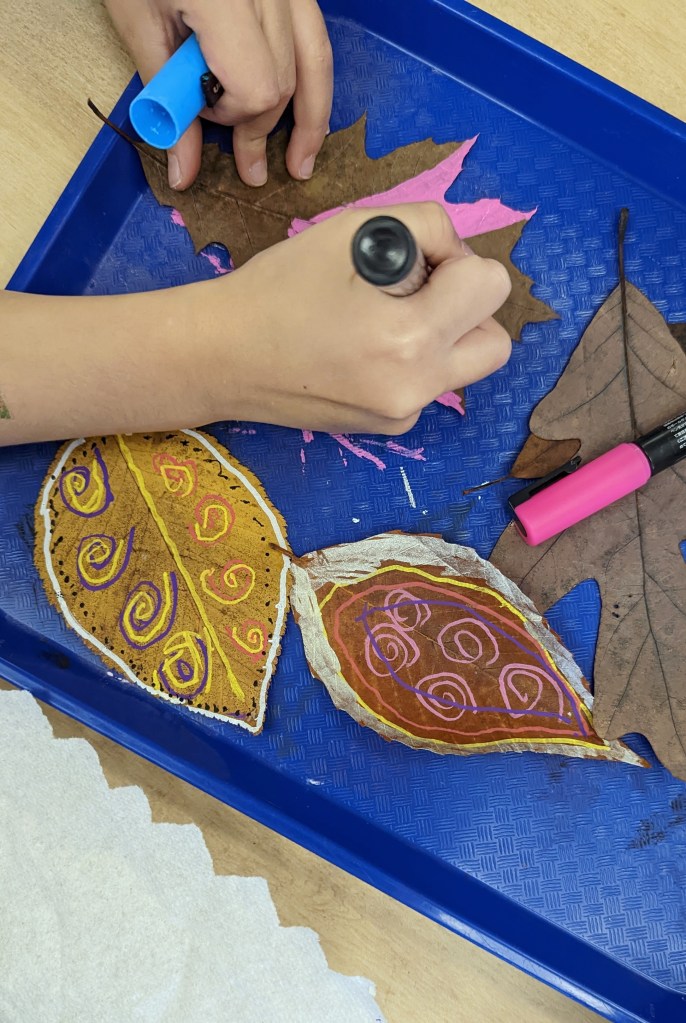
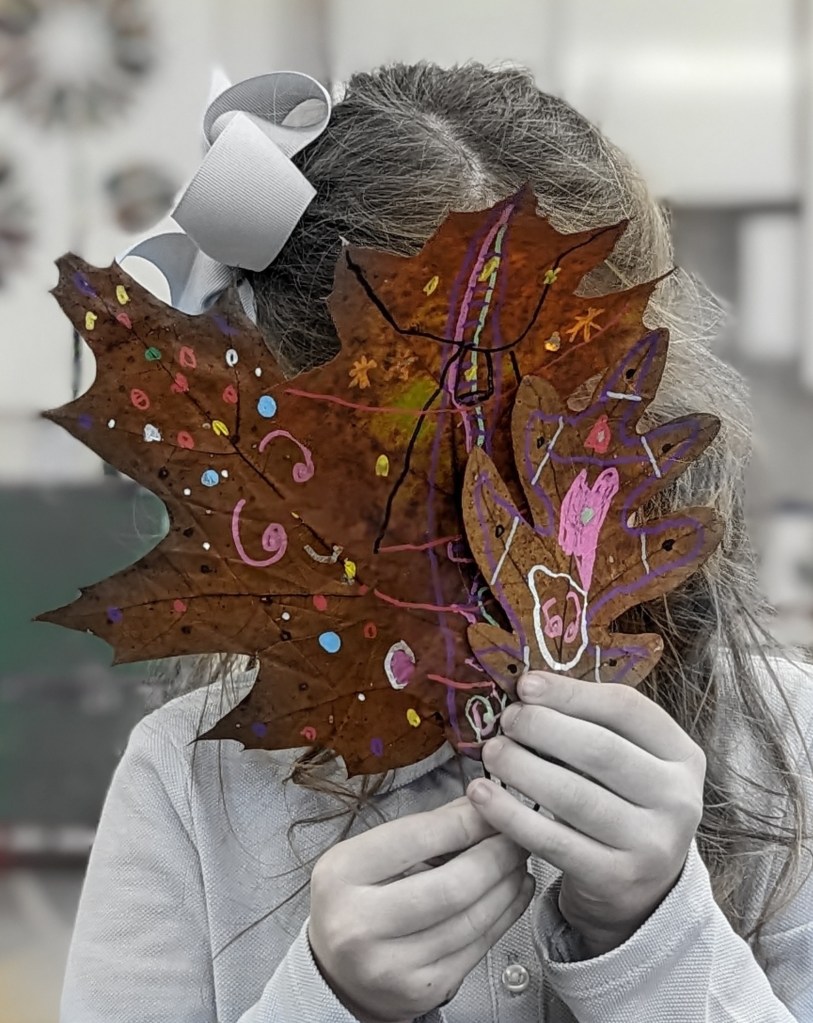
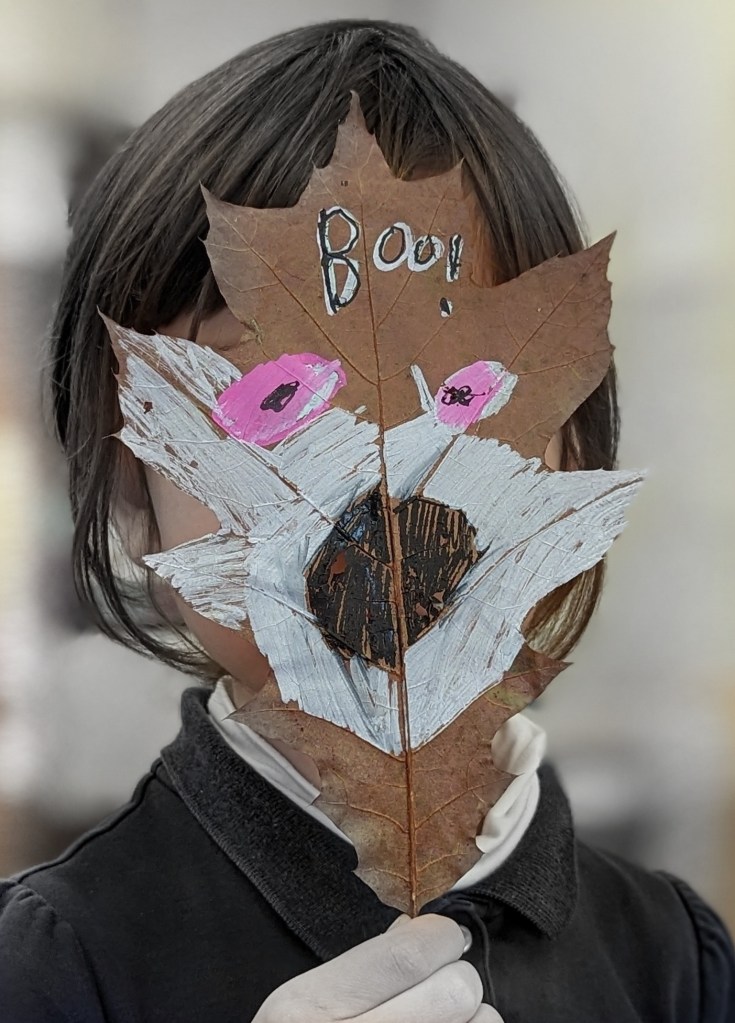
We paint the leaves using paint markers. The markers allow the artists to more easily add detail. I join them at the table with my own favorite leaf. Sometimes they are very talkative — admiring each others work. At other moments they are silent, eyes, mind, and hands intent on creating the perfect piece of leaf art. The structure of the leaf sometimes guides their design, at other times, they approach the leaf as more of a blank canvas. Always, the uniqueness of painting a leaf — versus a piece of paper — grabs their attention and interest.

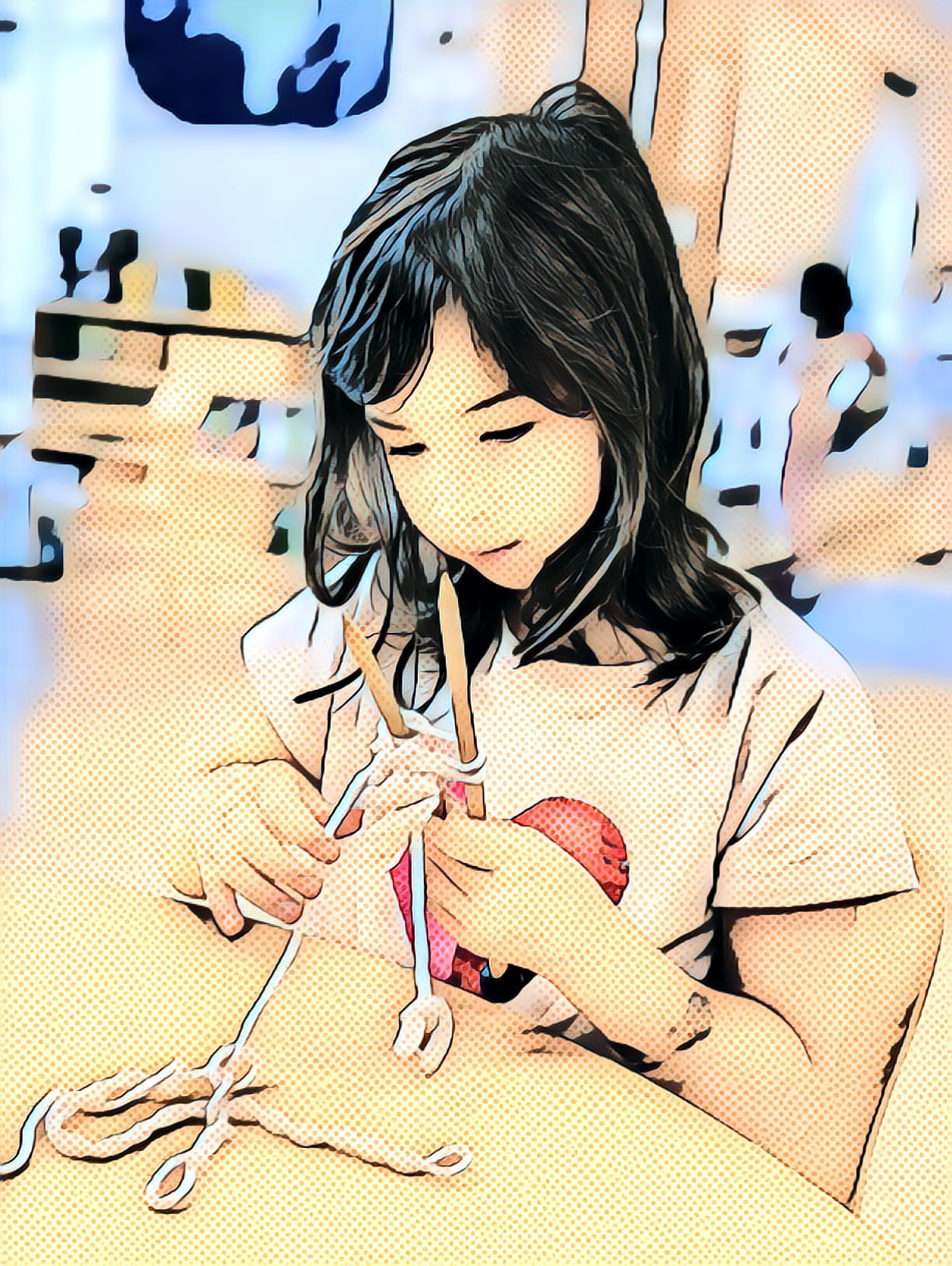
I’m fascinated by the way photos — intentionally taken — remove the smallness of the Kindergartners. Instead their hands could the the hands of any aged artist. I love that.

I decided to take photos that highlighted their leaf art. I processed the photos to remove the saturation and color from the background leaving their leaves as the stars, while still including a bit of information about each artist.

When you have leaves available to you, give this a try. It’s a fun activity that is filled with opportunity for exploration, learning, trying, collaborating, creating, and growing as artists and a community. Oh! And if you ever have the change to pick up an old paper press on the cheap –grab it! The possibilities in the classroom are endless.

Magnets on the Trash Can

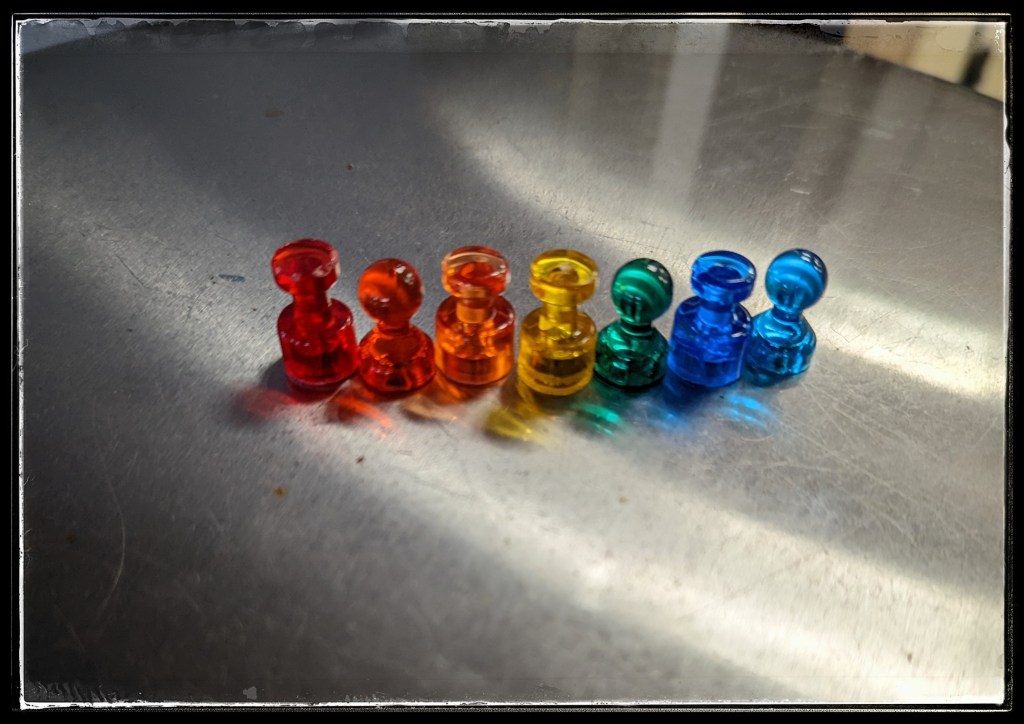
It’s a regular occurrence to find magnets on top of our classroom’s trash can. Sometimes they are arranged in rainbow order, sometimes they are grouped at various points on the lid. I often have to stop kind visitors who want to help by returning the magnets to the whiteboard.

“The Kindergartners put them there.” I comment. “When I need them, I take them, but for now, I let the Kindergartners store them on the trash can lid.”

Let me explain. The Kindergartners are exploring many things by having the magnets on the trash can lid rather than in their place on the whiteboard.

  • PHYSICS and ENGINEERING – How many magnets do you need to raise the lid without touching the lid or the foot pedal? Where is the best spot on the lid to put the magnets? What if you have a group that works and you separate the group into two smaller groups?
  • COLOR – What is the rainbow order? Where do the various shades fit in?
  • MAGNETIC POLES and PROPERTIES – Why don’t these two magnets stick together? Can I get the magnets to attract one another through my finger? Through all my fingers? What exactly are poles of a magnet?
  • COLLABORATION, SHARING, and PROBLEM SOLVING – “We need more magnets, Miss James!” they say. “That’s all we have right now. The others are holding up your math work.” A little while later, several Kindergartners are gathered around the whiteboard, gently moving magnets so that papers share the magnets thereby freeing some for their use!

I have no idea what new ideas and exploration may happen after winter break, but I’m excited to find out. I have other small magnetic bits, I may add them to the mix. We shall see.