Build On With My Parent Questionnaire

Recently I posted about the postcards I sent to my Kindergartners. It was the first block I set to establish our classroom culture and community, and the first step in building relationships with the families and learners in my class. Wednesday, I set the next block.

To be fair, I’ve been thinking about, researching, and creating this block for quite some time. It’s my parent questionnaire. I considered what I wanted to know about my learners, their parents, and their families. I spent a considerable amount of time drafting the questions. I wanted to begin sharing our classroom culture and some of my pedagogy: the importance of relationships, communication, and positive, affirming language, as well as the power and primacy of the voice of the learner no matter how young.

I’m super grateful for the plethora of educators and educational institutions that posted their parent questionnaires online. They were each valuable to read. It was interesting to read, not only the words, but the tone, and the message that was implied, or perhaps that I inferred, from the way the questions were worded.

After several drafts, I finally had my parent questionnaire set for this school year. My families are connected to our school electronically, so I chose to use a google form rather than a hard copy form.

In a spirit of gratitude to the others who shared their questionnaires online, here is mine. My voice and style may not work for you. Your voice is the one you want to share with your learning community. None-the-less, I hope imy questionnaire helps you create your parent questionnaire in a way that establishes relationships, sets your classroom culture, and helps you have the best year possible with your new students and families.
Hello fantabuous parents! I have the pleasure of having your children in Kindergarten James this year. YAY!

I’m excited and honored to partner with you on your child’s amazing learning journey in Kindergarten. I know we have all year to get to know one another, but I’d love if you would take a few moments to answer the following questions. My hope is to get to know you, your child, and your family — just a bit — even before you step into our learning space.

When you have a moment, please fill out this parent questionnaire. Hopefully it will be painless, and perhaps even enjoyable! I’m looking forward to reading your answers, and learning a bit about you and yours, prior to the start of Kindergarten. I’d be grateful if you completed the form by August 31. Thanks in advance.

Have a wonderful day!


Getting to know you. You are an important part of our classroom community!

  1. Your email.
  2. Your name(s) as you prefer to be called.
  3. What are you looking forward to with your child in Kindergarten?
  4. Would you be interested in sharing skills, traditions, or customs with our class this year? If so, what might you like to share?
  5. What are your hopes and dreams for your daughter this school year?

Getting to know your child. Good relationships begin by getting to know each other. We’ll grow our relationship each day, and this will help us get started.

  1. What is your child’s full name (first, middle, last)?
  2. What does your child prefer to be called?
  3. What are your child’s strengths?
  4. What would you love your child to get better at?
  5. What fears does your child have? (big or small)
  6. What is the most important thing I should know about your child?
  7. Ask your child: What are you really excited by, or interested in?
  8. Ask your child: What do you want Miss James to know?

Getting to know your family. Our families are super important — at home and in the classroom.

  1. Who else lives with you (siblings, grandparents, pets, etc.)?
  2. What, if any, holidays or traditions are important to your family?
  3. In which language(s) are you and your child comfortable conversing?

Anything else? Here’s your chance. What else would you like to tell or ask me?

  1. What haven’t I asked, that you’d like to tell me?
  2. What questions do you have for me?

MAJames 8/2023

Sit, Sip, Breathe, Look

PART ONE:

I love to sit on my back porch. I sit, sip delicious green tea, breathe, and look.

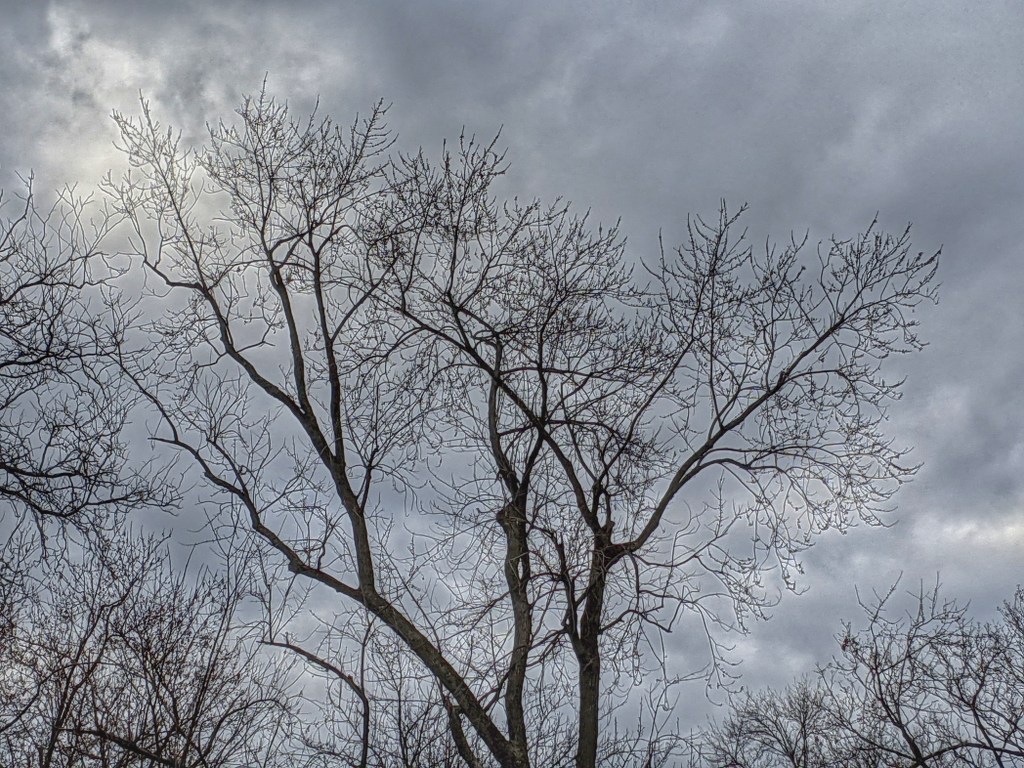
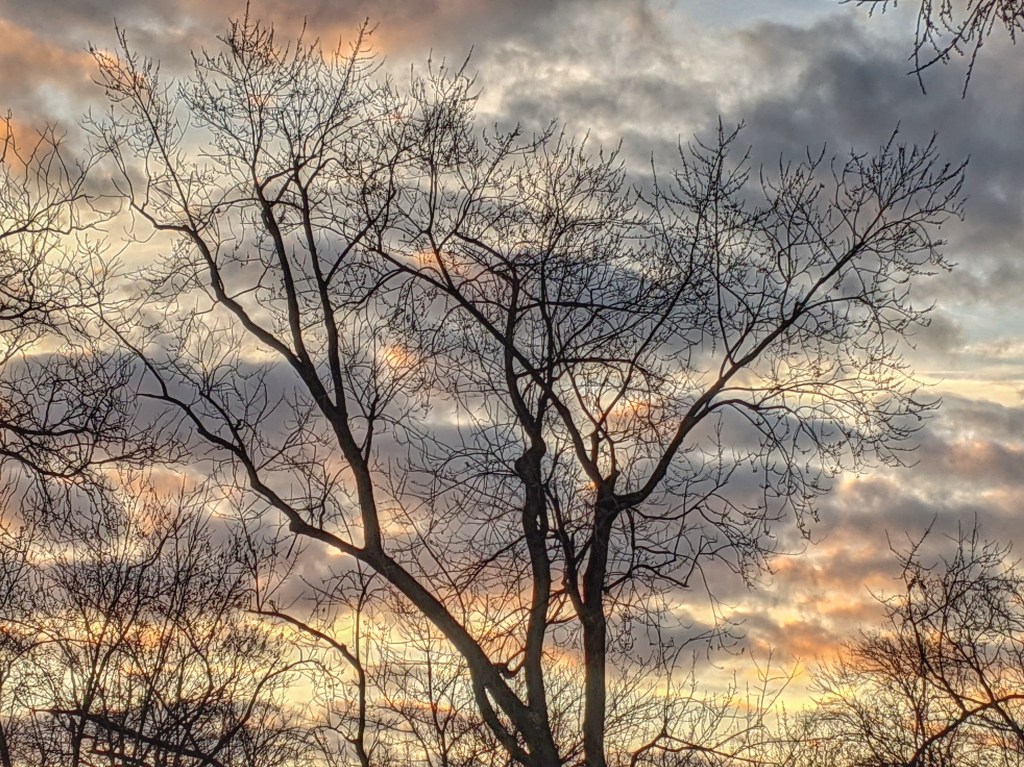
One tree is particularly attractive to me. It stands in my neighbor’s backyard, and greets me from above their fence. I first noticed it as its leaves turned from green to brilliant gold. Its trunk and branches stood in spectacularly stark contrast to the blazing leaves.

I began to wonder if I could capture it in art. Each time I’m on the porch, I look at this tree. I study it. I admire it. I imagine how I might capture its shape and structure. I wonder what colors and techniques I might use to create the fiery leaves glistening in the sun.

Then, one day, in a remarkably unexpected turn of events, I noticed the tree was bare. All its leaves had fallen to the ground …

… and I saw the sky.

Wow!

Same tree. Same sky.

And yet, completely new.

New perspective. New information. New understanding. New love.

It’s amazing isn’t it?

I’m contemplating doing a study of this tree and sky. Can you imagine? Each day, maybe more than once a day, I would capture this tree and sky in my journal. Every page the same, and yet wildly different! Even if two pages end up being the same, I will grow in my understanding of the tree, the sky, my materials, and my process. And, who’s to say I have to make the sky blue, or the clouds white? It’s my journal, my study, my discovery, my process, my learning, my joy!

I’m excited … and a bit nervous.

PART TWO:

While I wonder if I have a watercolor journal lying around, and where it actually might be, my thoughts turn to my Kindergartners.

Wouldn’t it be amazing if I did this tree and sky study, and then shared it with them? Not as an art project, but as a way to be, and as a powerful way to learn!

I should copyright and market this as a new pedagogical practice – The Sit, Sip, Breathe and Look, Method of Learning. Sit, Sip, Breathe, and Look — Increased learning through relaxation and curiosity. For short I could call it the SSBL Method of Learning.

I started writing the paragraph above with a chuckle. I thought, typed, deleted, and thought some more as I crated a title for my learning method. My chuckles — and clarity– increased as I typed the quick explanation and abbreviation. Naming it seemed to enhance the legitimacy of this as a fantabulous pedagogical practice! Hmmm. I think there’s an article, or some coaching possibilities here.

Until then, back to my students. How would I present my study and the SSBL Method to them? What would I want to them to know?
*It’s good — and important — to sit, sip, breathe, and look.
*Our brains learn best when we, and they, are relaxed.
*Noticing, thinking, and wondering are fascinating, fantabulous, and fun.
*Be curious.
*Be open to more — more noticing, more thinking, more wondering.
*Look, and then look again.
*Even when you think you know something, look again.
*Especially when you think you know something, look again.
*Be willing to be surprised. Expect it, even!
*It’s ok to not know, yet. It’s actually kind of exciting!
*It’s ok to be a little nervous.
*Keep looking.
*Keep learning.
*Be inspired by others.
*Share your noticing, wondering, thinking, ideas, with others.
*Create a study.
*You can do it.

And, there’s no point in telling them all of this, if I don’t also help them do it.

So what might I do to help them embrace the SSBL method of learning?
*Create the infrastructure they need to be successful.
*Talk with their parents and invite them into the SSBL method and concept of learning.
*Explain some of the brain science the supports this method of learning.
*Encourage the parents to create opportunities for the children to sit, sip, breathe, and look.
*Inspire the parents to join their children in their sit, sip, breathe, and look sessions.
*Gift parents with their own study journal.
*Incorporate this form of inquiry and learning as a regular part of our school day.
*Provide time for students to sit, sip, breathe, and look — for their own interests, and curricular purposes.
*Create journals for them to use to record their studies.
*Teach them how to make journals that they can make for their studies.
*Join them in their studies, and invite them into mine.
*Model curiosity, wonder, and awe.
*Value their study and make time to let them share it with others.

I can’t wait to give this a bit more thought, and then give it a go with my girls! Oh, (wink) and market it!